
Magnolia insignis virginiana
Magnolia insignis x Magnolia virginiana
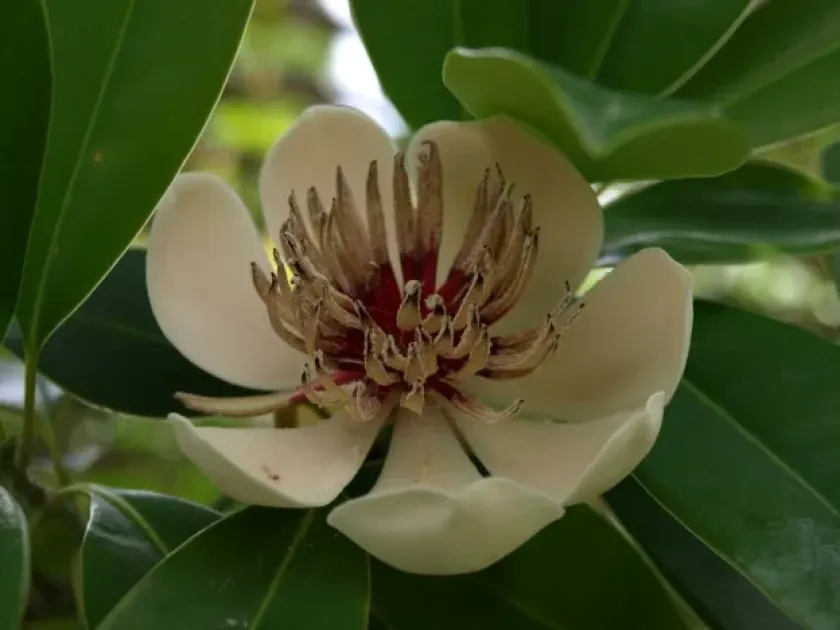
Description
Growing requirements
The hybrid Magnolia insignis x Magnolia virginiana is a member of the Magnoliaceae family, valued for its unique combination of aesthetic floral traits and robust growth habits.
This crop thrives in sheltered locations that offer partial shade to full sun, especially protecting the delicate foliage from strong, dry winds during the growing season.
Optimal soil conditions include rich, acidic, and well-drained loam. Soil moisture must be maintained consistently, yet the plant is highly susceptible to root rot if the substrate remains saturated.
Regarding climate, this hybrid requires a temperate environment, as the genetic influence of Magnolia insignis necessitates protection from severe, prolonged freezing conditions common in northern regions.
It is primarily utilized in decorative landscape design, suitable for garden specimens, large containers, or as a focal point in specialized horticultural collections.
Main diseases and pests
The plant is susceptible to various fungal diseases, including powdery mildew and botrytis, which typically proliferate in humid, stagnant air conditions during the spring.
Root system health can be compromised by phytophthora or nematode infestations, particularly in soils that lack adequate drainage or appropriate organic aeration.
Common insect pests include scale insects and spider mites, which can cause significant yellowing and drop of foliage if populations are not managed through regular monitoring.
Sanitation practices, such as removing fallen leaves and pruning dead wood, are essential to reducing the overwintering sites for fungal spores and common garden pests.
Applying specialized horticultural oils or systemic fungicides, when necessary, will ensure the tree remains vigorous and resistant to seasonal stressors.