
Magnolia doltsopa
Magnolia doltsopa (Buch.-Ham. ex DC.) Figlar
Description
Growing requirements
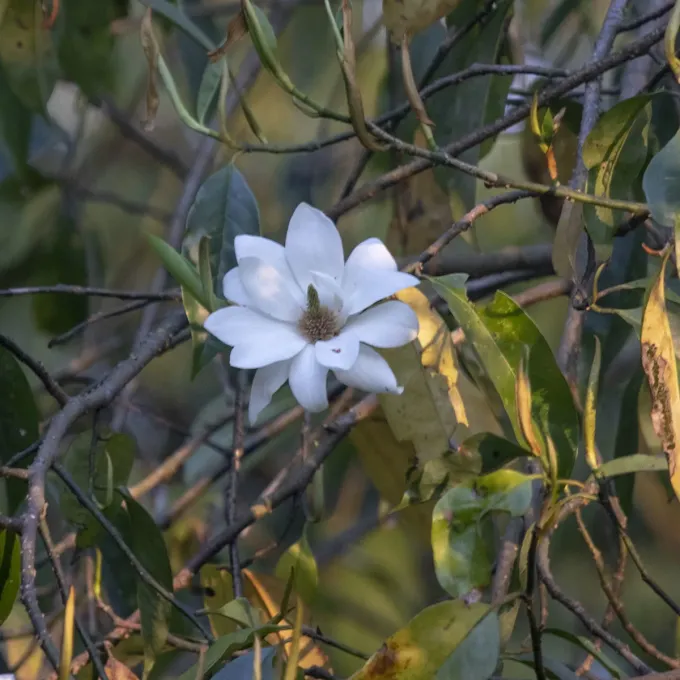
Magnolia doltsopa is a magnificent evergreen tree species belonging to the Magnoliaceae family. Known for its lush foliage and fragrant white-to-cream flowers, it serves as a prominent ornamental element in large landscape gardens.
The tree originates from the mountainous forests of the Himalayas, including regions in China and Myanmar. Due to its natural habitat, it thrives in cool, humid environments with consistent rainfall and protection from extreme temperature fluctuations.
Agricultural requirements include well-drained, acidic soil rich in organic matter. Proper soil preparation involves adding compost or peat to ensure aeration and nutrient availability, as the plant is sensitive to compacted or alkaline substrates.
Placement is crucial: the species prefers semi-shaded areas where it is sheltered from harsh afternoon sun and high-velocity winds. Consistent moisture is vital; therefore, irrigation management during dry spells is a fundamental aspect of its long-term health.
Beyond its ornamental value, the timber of this species is valued for furniture making and construction in its native range. Furthermore, the essential oils extracted from its blossoms are highly sought after by the perfume industry for their unique floral profile.
Main diseases and pests
The primary threats to Magnolia doltsopa involve fungal pathogens that thrive in stagnant, humid environments. Leaf spot diseases and root rot are the most common issues arising from poor air circulation or over-saturation of the substrate.
Pest management focuses on mitigating infestations of scale insects and spider mites. These pests can cause significant damage to young leaves and stems, requiring early detection and the application of targeted horticultural oils or insecticides.
Preventative measures against disease include proper sanitation, such as removing fallen leaves and pruning dead wood to maintain airflow. If symptoms of fungus appear, copper-based fungicides are typically recommended to manage the spread.
Nutrient deficiencies, particularly chlorosis, can occur if the soil pH becomes too high. Regular testing of the soil and the application of chelated iron can effectively correct these imbalances and restore the plant's natural vibrancy.
Winter protection is necessary for young trees in cooler climates. Applying a thick layer of organic mulch around the root zone helps regulate ground temperature and preserves moisture, preventing the roots from freezing during frost events.