
Magnolia cylindrica
Magnolia cylindrica E. H. Wilson
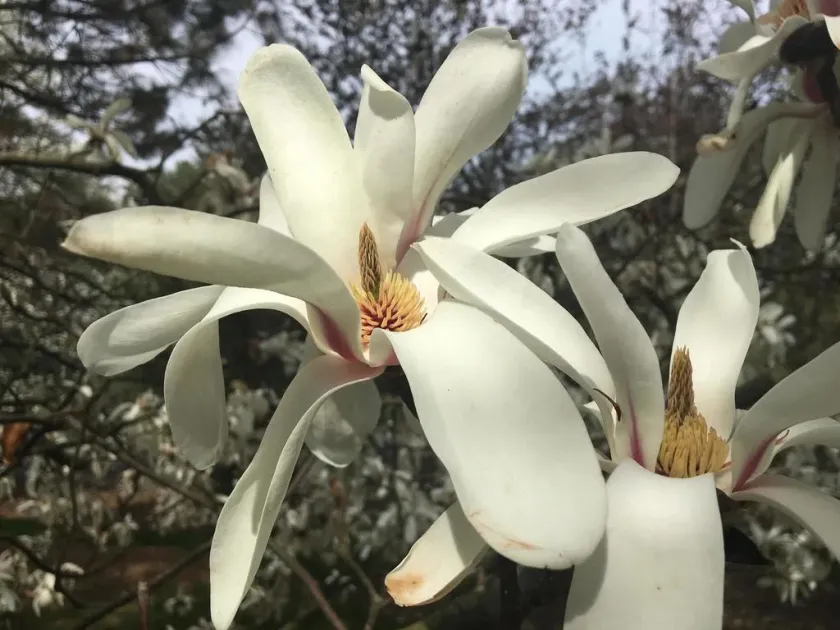
Description
Growing requirements
Magnolia cylindrica is a stunning deciduous tree belonging to the Magnoliaceae family, native to the mountain forests of China. Known for its elegant, long-lasting flower buds and graceful growth habit, it is a prized specimen for temperate gardens and arboretums.
The cultivation requirements focus on providing a site with rich, well-draining soil that maintains a slightly acidic pH. The tree prefers a sheltered position where it can be protected from cold, drying winds that could damage the sensitive foliage and blooming tissues.
Climate conditions are critical for its survival, specifically the avoidance of late spring frosts. Gardeners should ensure that the planting site has adequate sunlight or partial shade, which allows the tree to reach its full potential in growth and floral display.
Agrotechnical practices include the regular application of organic mulch around the base of the trunk. This mulch helps to conserve soil moisture, regulate root temperature, and prevent weeds from competing for essential nutrients in the topsoil layer.
The primary use of Magnolia cylindrica is ornamental. Due to its limited availability and unique beauty, it serves as an excellent focal point in landscape design. Its aesthetic appeal makes it highly desirable for collectors and enthusiasts of rare botanical species.
Main diseases and pests
Typical threats include fungal infections such as root rot, which are often exacerbated by poor drainage and excessive soil moisture. Proper soil preparation and the inclusion of coarse materials in the planting hole can significantly mitigate these risks.
Pests like scale insects and spider mites are common concerns during hot and dry periods. If left unchecked, these parasites can weaken the tree, leading to stunted growth. Using horticultural oils or specific insecticides is recommended for effective control.
The root system is shallow and sensitive, making it vulnerable to accidental damage from heavy gardening tools. Maintaining a wide mulch zone eliminates the need for tilling under the canopy and protects the fine, surface-level roots from mechanical stress.
Winter injury can occur in younger specimens if they are not properly protected from extreme cold. Wrapping the trunks and using protective coverings during the first few years after planting helps ensure the tree survives through harsh winter seasons.
Overall maintenance requires consistent monitoring for early signs of distress. Regular inspection of the bark, leaves, and buds allows for quick intervention, ensuring that the Magnolia cylindrica remains a healthy and decorative element of the landscape for many years.