
Madhuca longifolia
Madhuca longifolia (L.) J. F. Macbr.
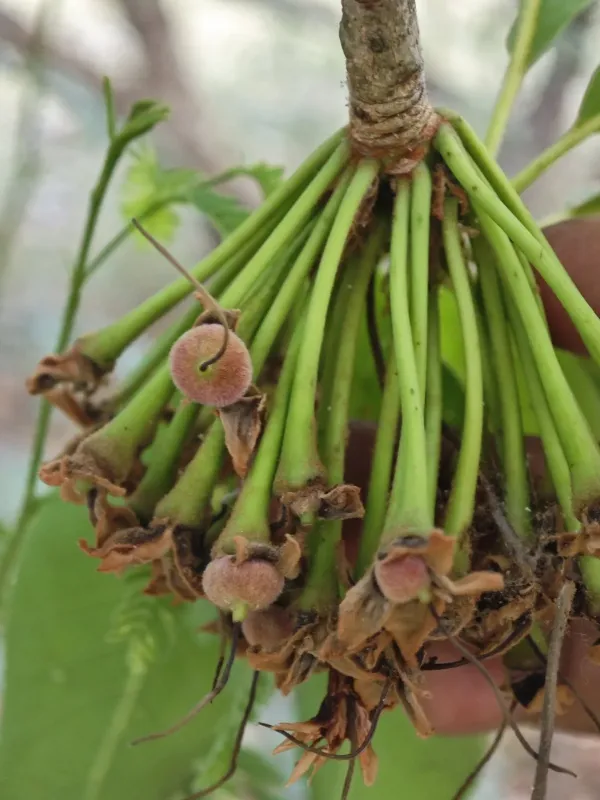
Description
Growing requirements
Madhuca longifolia is a significant tropical tree belonging to the Sapotaceae family. It is widely distributed across the forests and agricultural lands of India, Sri Lanka, and Nepal.
The plant is perfectly adapted to tropical environments characterized by a distinct dry season. It demonstrates remarkable tolerance for a variety of soil types, including poor, rocky, and sandy terrains where other crops fail.
The primary requirements for optimal growth include a well-drained soil structure to prevent waterlogging, which can be detrimental during the early sapling stage.
It thrives under warm conditions and is highly resilient to prolonged periods of drought. Once established, the root system can reach deep into the soil to access moisture.
Propagation is primarily done through seeds. Because the seeds are recalcitrant and lose viability quickly, they must be sown shortly after collection to ensure high germination rates.
Yield
A mature Mahua tree can yield between 20 and 200 kilograms of seeds annually. This prolific production makes it a highly sustainable source of raw materials for rural economies.
The seeds are rich in fat, serving as a vital feedstock for the biofuel industry. The oil extracted is non-edible and is also processed into soaps, detergents, and industrial lubricants.
Flowers are another essential product, harvested for their high sugar content. They are used in traditional food preparations and as a substrate for fermentation processes.
As a key component of agroforestry, this tree provides multiple streams of income for farmers, contributing significantly to food and energy security in arid regions.
Industrial processing of the seeds contributes to the circular economy by converting agricultural waste and non-food biomass into high-value chemical products.
Main diseases and pests
Common pests affecting the crop include various foliage-eating insects that can stunt growth during the peak vegetative phase. Biological control agents are often sufficient to keep populations in check.
Fungal infections may occur if plantation density is too high, preventing proper air circulation. Proper spacing during planting is the primary strategy to prevent such issues.
Post-harvest pests, such as weevils, can compromise seed quality. Proper storage in dry, clean, and ventilated silos is essential to protect the harvest from contamination.
Despite these minor threats, the tree is generally considered a robust species that requires minimal chemical pesticide usage compared to intensive monoculture crops.
Maintaining clear ground under the canopy and monitoring tree health regularly helps in early detection of any pathogens or infestations that might reduce overall productivity.
Harvesting
Harvesting is primarily focused on gathering fallen fruits, which signal maturity by their color and the natural abscission from branches. Collection should be frequent to prevent rotting.
Flowers are collected in the early morning hours, often by spreading sheets under the canopy the previous evening, which keeps the harvest clean and free from soil debris.
Once gathered, the seeds undergo cleaning and sun-drying to reduce moisture content. This prevents rancidity and ensures high oil quality for subsequent industrial extraction.
Labor efficiency is optimized by organizing clear harvest zones and employing simple mechanical aids to collect fallen materials from the base of the trees.
The total yield and quality depend on timely harvesting cycles, as the window for collection is narrow and demands high workforce coordination during the peak season.