
African macrotyloma
Macrotyloma africanum
Description
Sowing dates
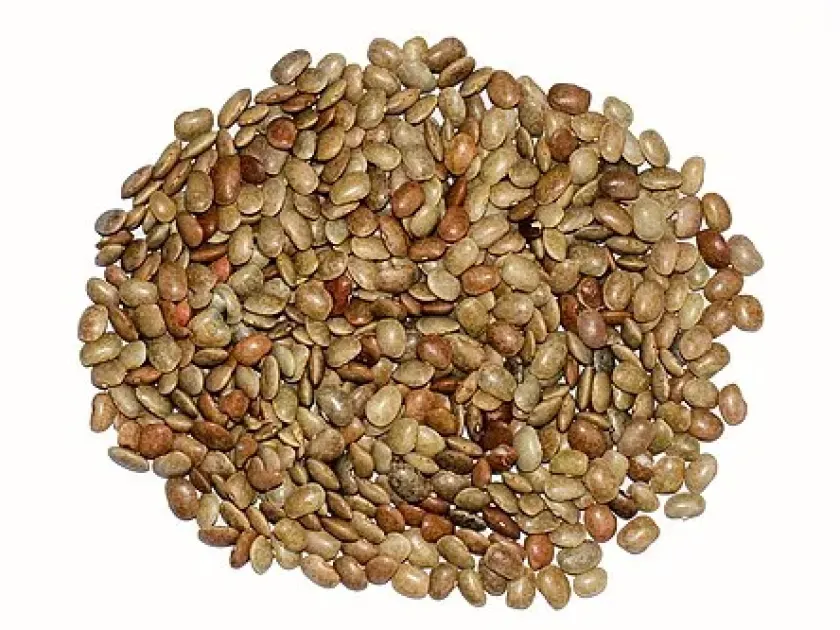
African macrotyloma (Macrotyloma africanum) is a perennial leguminous plant commonly treated as an annual crop in agricultural systems. It is gaining recognition for its ability to produce substantial biomass in challenging tropical climates where other crops struggle.
The sowing season is dictated by the onset of the rainy season, which is essential for ensuring successful seed germination. Planting should occur immediately after the first consistent rains to maximize the growing period before the inevitable dry season begins.
Seeds should be sown at a depth of 3 to 5 centimeters to ensure optimal moisture contact and protect against early desiccation. Inoculation with specific rhizobium strains is highly recommended to kickstart the nitrogen fixation process, which is critical for growth in nutrient-poor soils.
A sowing density that allows for rapid canopy closure is preferred, as this effectively shades the ground and suppresses weed growth. In many traditional farming practices, broadcast or row-seeding techniques are utilized based on the specific end-use of the plant.
Early-stage management is vital for the crop, as the young plants need protection from aggressive weeds during the first three to four weeks. Once the plant establishes its root system, it becomes remarkably competitive and hardy against environmental stresses.
Growing requirements
This crop thrives in warm tropical and subtropical regions with average temperatures ranging between 25 and 30 degrees Celsius. It exhibits significant heat tolerance, making it an excellent candidate for agricultural development in arid and semi-arid zones.
African macrotyloma performs best on well-drained loamy soils but is notably tolerant of acidic and degraded soils. While it appreciates fertile ground, its primary utility is often found in its ability to reclaim and enrich marginal lands through nitrogen fixation.
Water requirements are highest during the vegetative growth phase. Although the plant is drought-tolerant, prolonged waterlogging must be avoided as it can induce root rot and significantly inhibit the activity of beneficial soil bacteria.
Sunlight is a fundamental requirement; the plant is strictly photophilous. Full solar exposure is necessary for the development of healthy foliage and the induction of flowering, which directly impacts the yield of both green matter and seed production.
As a leguminous plant, it plays a key role in soil improvement. When used as a green manure, it adds significant amounts of organic nitrogen to the soil, improving the structure and fertility profile for subsequent cereal or vegetable crops.
Main diseases and pests
Fungal pathogens such as anthracnose and powdery mildew represent the most significant threats during humid conditions. Poor field ventilation and high plant density during the wet season often exacerbate these disease pressures.
Pests like aphids and various seed-feeding insects can cause substantial economic losses by damaging blossoms and pods. Integrated pest management strategies, focusing on biological controls and resistant local varieties, are essential for mitigation.
Nematodes are a hidden concern in fields that have been continuously cropped with legumes. Implementing a proper crop rotation cycle is the most effective approach to reduce soil-borne nematode populations and maintain field health.
Post-harvest storage pests, such as bruchid beetles, are a major challenge for seed longevity. Storing seeds in sealed, dry containers and employing traditional drying methods effectively minimizes damage before the next sowing season.
Field sanitation remains a cornerstone of defense; removing diseased crop residues prevents the overwintering of pathogens. Maintaining diverse cropping patterns helps ensure that the environment remains unfavorable for the buildup of specialized plant pests.
Harvesting
The harvesting of pods is ideally timed when they transition to a brown, mature color but before they undergo natural dehiscence. Timing is critical to prevent seed shattering in the field, which can lead to significant yield losses.
Both manual and semi-mechanized harvesting methods are utilized, depending on the scale of production. Gentle handling during the harvest process is necessary to avoid damaging the seeds, especially in varieties with thin pod walls.
Post-harvest processing involves thorough drying in the sun, which is essential to reach a safe moisture level for storage. Properly dried seeds should be clean, free of debris, and stored in a cool, ventilated area to maintain viability.
For forage purposes, the crop should be harvested during the peak flowering stage. This is when the plant's nutritional profile, including crude protein content, is at its highest, providing excellent feed value for livestock.
Careful attention to post-harvest logistics ensures the longevity of the harvest. Whether intended for fodder or future seed stocks, ensuring a dry, pest-free environment remains the standard practice for all successful producers.