
Macrothelypteris torresiana
Macrothelypteris torresiana
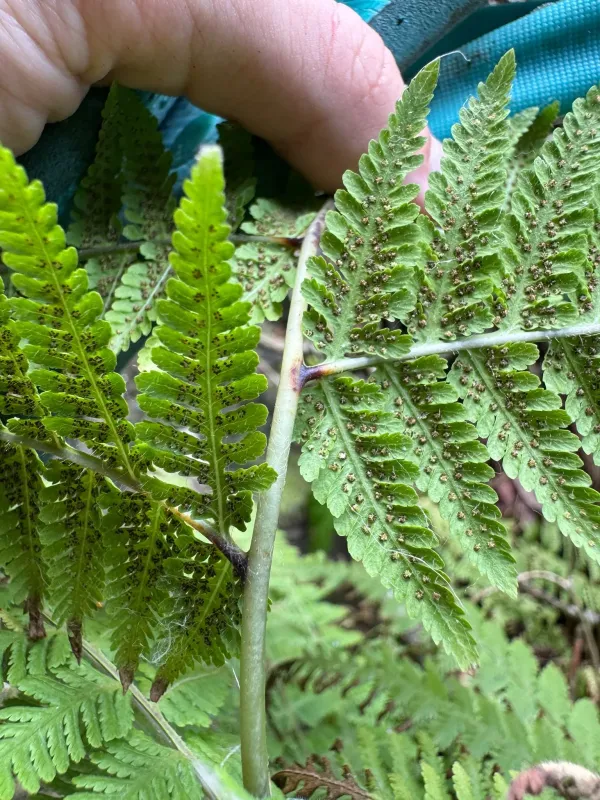
Description
Growing requirements
Macrothelypteris torresiana is a perennial herbaceous plant belonging to the Thelypteridaceae family. It is native to tropical and subtropical regions of Asia, Africa, and the Pacific Islands, often found in humid forest environments.
The plant thrives in partial shade and requires high humidity levels to maintain its foliage. Exposure to direct intense sunlight should be strictly avoided to prevent chlorosis and leaf burn on its delicate fronds.
Cultivation requires well-draining, humus-rich soil that stays consistently moist but not waterlogged. A slightly acidic to neutral pH level is ideal for healthy root development and efficient nutrient uptake.
Temperature requirements are stringent, as this species does not tolerate freezing conditions. It must be kept in stable tropical temperatures, ideally between 18°C and 25°C, making it suitable for greenhouses or interior landscapes.
The plant features large, tripinnate, triangular fronds that create a lush texture. Propagation is primarily achieved through spores, though established clumps can be divided during the early spring growth phase.
Main diseases and pests
Common pests that infest Macrothelypteris torresiana include spider mites, scale insects, and mealybugs. These organisms typically thrive in environments with poor air circulation and low relative humidity.
Root rot is the most common physiological disorder caused by overwatering or poor drainage systems. It is essential to ensure the potting medium is airy and allows for rapid water percolation.
Fungal leaf spot diseases may appear if the fronds remain wet for extended periods in stagnant air. Improving ventilation is the primary cultural practice to mitigate these risks in commercial settings.
Care must be taken when selecting pest control products, as many chemical sprays can cause phytotoxicity on the fern's soft tissue. Always test treatments on a small portion of the plant first.
Early identification of pest populations on the underside of leaves is the most effective management strategy to maintain the health and vigor of the fern population.