
Macrothelypteris setigera
Macrothelypteris setigera
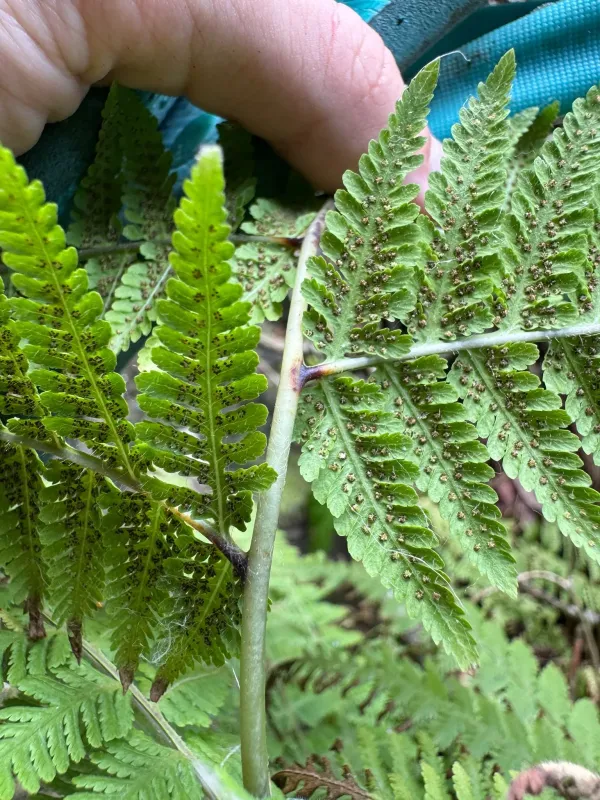
Description
Growing requirements
Macrothelypteris setigera belongs to the Thelypteridaceae family. It is a perennial fern species native to tropical and subtropical regions of Asia and the Pacific, where it thrives in shaded and humid environments.
The plant requires high ambient humidity and well-drained, nutrient-rich soil. It is an excellent choice for indoor settings or greenhouses where environmental parameters such as temperature and moisture can be strictly controlled.
In terms of light, this fern prefers indirect, filtered sunlight. Exposure to direct intense sun can cause scorching of the delicate fronds, which are characterized by their distinctively bristly texture.
Proper aeration of the root system is critical for this species. Using a substrate consisting of peat moss, perlite, and bark helps maintain the necessary balance between moisture retention and drainage.
Economically, this species is cultivated primarily for the ornamental plant trade. Its lush, feathery appearance makes it a popular choice for interior landscaping, conservatory displays, and tropical-themed gardens.
Main diseases and pests
The most common disease affecting this fern is root rot, typically caused by waterlogged soil and poor drainage. This condition quickly degrades the rhizome, leading to yellowing of the fronds.
Pests such as spider mites and mealybugs are significant threats. These insects thrive in dry indoor conditions and can cause severe damage if not managed through regular misting and cleaning of the foliage.
To mitigate these risks, it is essential to monitor the plant's health closely. Using horticultural soaps or systemic insecticides can help manage pest populations without damaging the delicate fern fronds.
Fungal diseases like leaf spot may occur if air circulation is insufficient. Ensuring proper space between plants and maintaining good ventilation are simple but effective cultural practices for disease control.
Regular maintenance, including the removal of dead or damaged fronds, helps promote new growth and prevents the accumulation of debris that can harbor harmful pathogens or pests.