
Starry Asterolinon
Lysimachia linum-stellatum
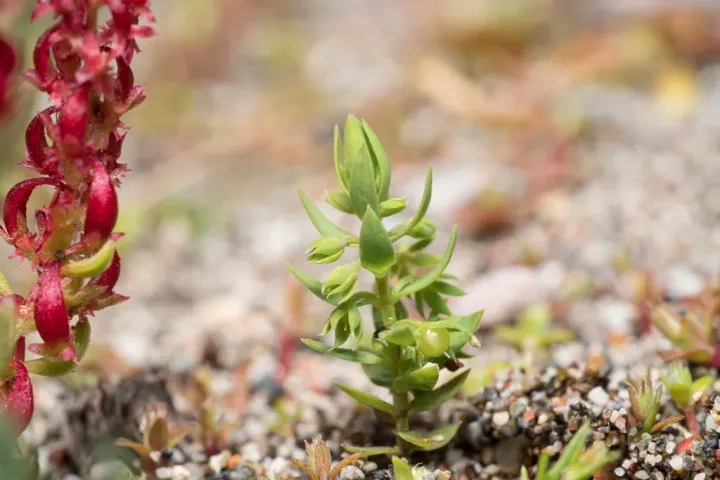
Description
Growing requirements
The Starry Asterolinon, taxonomically identified as Lysimachia linum-stellatum, is a fascinating member of the Primulaceae family. It is an annual herbaceous plant historically categorized within the genus Asterolinon.
This species is native to the Mediterranean basin. Its natural habitat includes rocky slopes, meadows, and open groves, where it has evolved to thrive under full sun exposure and resilient climatic conditions with dry summers.
Cultivation of this plant requires specific soil conditions, primarily focusing on excellent drainage. It performs best in sandy or gravelly soils that mirror its native environment and prevent any potential water stagnation around the roots.
Environmental requirements for the plant include long hours of direct sunlight. While it can handle poor soil conditions, ensuring a neutral to alkaline pH level provides the best nutritional support for its rapid development during the growing season.
In modern horticultural and agricultural use, this plant is valued as a decorative specimen. Its delicate, star-shaped yellow flowers make it an excellent choice for rock gardens and naturalistic planting schemes where minimal maintenance is desired.
Main diseases and pests
Root rot remains the most significant threat to the health of the Starry Asterolinon. This fungal condition is almost exclusively linked to overwatering or poorly drained substrates, emphasizing the need for a precise moisture management strategy.
Aphids are the most common insect pests that attack the soft tissue of the stems. If left unmanaged, these pests can cause significant deformation of the leaves and stunt the growth of the plant during the early stages.
Powdery mildew can occur in environments with high humidity and poor ventilation. Proper spacing during the seeding process is crucial to ensure enough airflow between plants, reducing the risk of fungal outbreaks.
Soil-borne nematodes may occasionally impact the plant if it is grown in previously infected fields. Crop rotation with non-host species is highly recommended to maintain soil health and prevent future infestation cycles.
General maintenance should involve regular observation for early signs of stress. Using organic mulches or carefully monitoring the soil composition helps create an environment where the plant can naturally resist many common threats.