
Lycopsis orientalis
Lycopsis orientalis
Description
Sowing dates
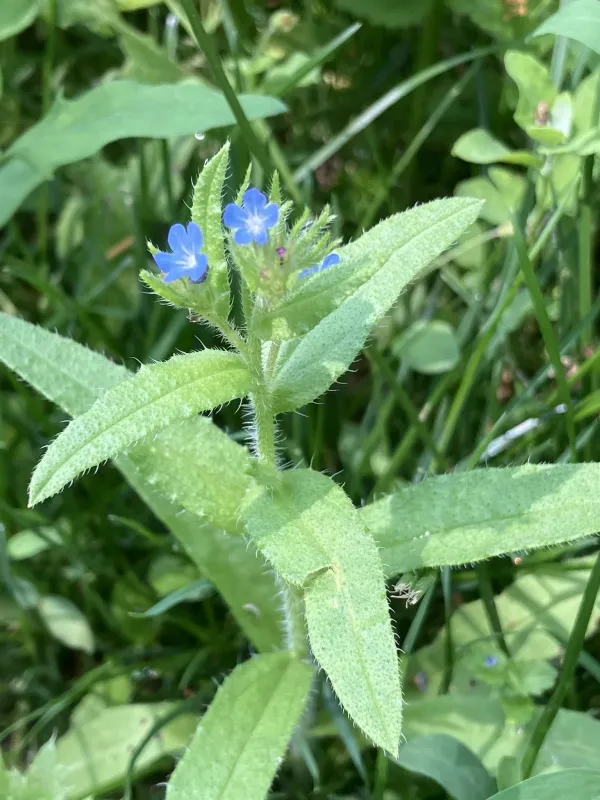
Lycopsis orientalis belongs to the Boraginaceae family and is recognized as an annual or biennial herb. While often categorized as an agricultural weed, its biological properties offer potential for use as a melliferous plant and a component in specialized seed mixtures.
Sowing should be performed in early spring once soil temperatures reach stable positive values. The seeds demonstrate high germination rates even in challenging conditions, allowing for successful stand establishment in various environments.
The plant grows rapidly, forming a dense basal rosette of bristly leaves that helps it compete effectively with other herbaceous vegetation. Sowing depth should be kept shallow, approximately 1 to 2 centimeters to ensure optimal light exposure for the seeds.
Native to Southern Europe, the Caucasus, and parts of Asia, this species thrives in open landscapes where light availability is not limited. Its geographical distribution reflects its high adaptability to diverse climatic zones.
Agricultural practices involve row-based seeding to facilitate mechanical weeding, which is crucial during the early stages of the crop's development before the canopy fully closes.
Growing requirements
Lycopsis orientalis is highly adaptable to various soil types, preferring well-drained sandy or loamy soils. It demonstrates a remarkable tolerance for poor nutrient conditions, making it suitable for marginal lands.
The species is exceptionally drought-tolerant due to its deep taproot system. This allows the plant to access moisture in deeper soil layers, enabling it to survive periods of extreme heat and minimal precipitation.
It prefers a neutral to slightly alkaline pH level. While it can survive in various conditions, optimal growth and flowering intensity are observed in soils with good aeration and no history of waterlogging.
Minimal fertilization is required for this crop. In fact, excessive nitrogen application often leads to excessive green biomass production at the expense of flower development, which is unfavorable for apicultural purposes.
Proper field maintenance includes keeping the soil loose to support root oxygenation and ensuring that competitive weed species do not inhibit the growth of the Lycopsis stand during its peak vegetative phase.
Main diseases and pests
The plant is susceptible to various insect pests, including beetles and aphids, which can cause significant damage to the foliage and developing buds, thereby reducing the plant's overall vigor.
Fungal pathogens such as powdery mildew and rust are common threats, especially when planting density is too high, leading to reduced air circulation and high humidity around the leaf surface.
Seed-eating weevils pose a significant threat during the generative stage, as they can destroy a large portion of the seed crop by feeding on the developing embryos within the ovaries.
Integrated pest management strategies should emphasize biological control and appropriate crop rotation to mitigate the risks of infestation without the heavy use of chemical pesticides.
Regular monitoring of the field is essential to identify early signs of pathogen outbreaks, allowing for timely intervention before the infection spreads across the entire plot.
Harvesting
Seed harvesting is conducted when the majority of the fruits have turned brown, indicating maturity. Timing is critical to prevent yield losses due to the plant's natural tendency to shatter its seeds.
When intended for biomass or forage, harvesting should occur before the stems become overly lignified and tough. This ensures the nutritional quality of the feed remains at its highest levels.
The presence of stiff hairs on the plant requires careful handling during the post-harvest phase to ensure efficient drying and processing of the material.
Post-harvest residues contribute valuable organic matter to the soil profile, improving the physical structure and nutrient content for subsequent planting cycles in the crop rotation sequence.
Storage of the final product requires a dry and well-ventilated environment to prevent mold growth and maintain the viability of the seeds for future seasons.