
Nodding clubmoss
Lycopodiella cernua (L.) Pic. Serm.
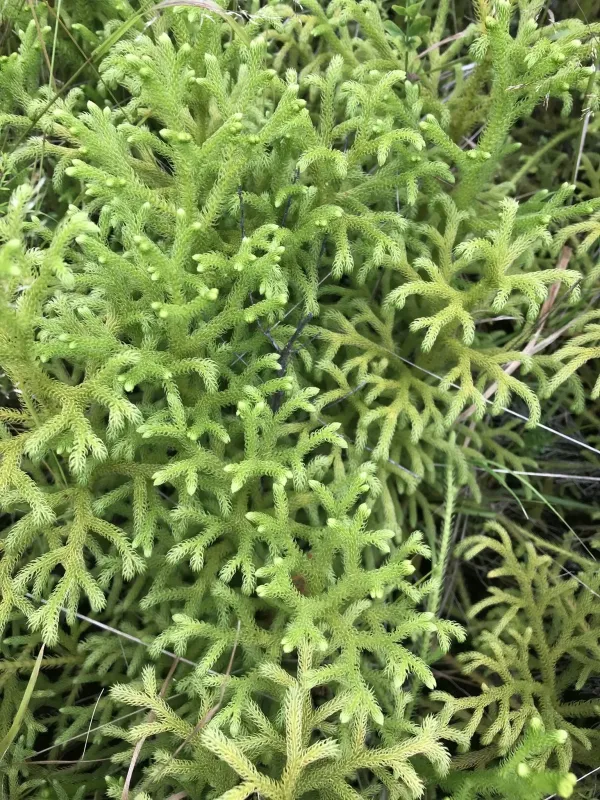
Description
Growing requirements
Nodding clubmoss (Lycopodiella cernua) is a distinctive perennial spore-bearing plant belonging to the Lycopodiaceae family. It is widely recognized for its creeping stems and upright, branch-like growths that produce nodding strobili, giving the plant its common name.
The plant is native to tropical and subtropical regions worldwide, where it occupies moist, acidic soil niches. In a cultivation setting, it requires conditions that mimic its natural habitat, emphasizing high humidity and consistent substrate moisture.
Soil requirements involve a well-draining, acidic medium, typically composed of peat moss or similar organic matter. It does not tolerate soil compaction, which can impede the development of its shallow, delicate root system.
Regarding climate, Lycopodiella cernua thrives in warm temperatures, ideally between 20°C and 28°C. It is intolerant of frost and requires protection from direct, scorching sunlight to prevent the desiccation of its foliage.
In terms of хозяйственное usage, the species is primarily utilized in the nursery trade for terrarium setups and conservatory landscaping. Its ability to create a lush, moss-like carpet makes it highly desirable for high-end interior botanical installations.
Main diseases and pests
Root rot is the most significant threat to nodding clubmoss, typically caused by waterlogged soil and poor aeration. Ensuring that the planting container has adequate drainage holes is essential for long-term health.
Spider mites are common pests that thrive in low-humidity environments. Maintaining high ambient humidity or using gentle leaf mists is an effective cultural control strategy to mitigate mite populations.
Nutrient toxicity occurs frequently if high-strength chemical fertilizers are applied to the plant. Because the species is adapted to nutrient-poor soils, organic, highly diluted liquid fertilizers are the only recommended supplements.
Fungal infections can rapidly spread through dense foliage if air circulation is insufficient. Growers should ensure that the planting area receives moderate, continuous airflow to prevent moisture buildup on the stems.
Physical damage to the stems during maintenance can create entry points for pathogens. When cleaning or pruning, always use sterilized tools to prevent the transmission of bacteria and fungal spores between different plant clusters.