
Luzuriaga radicans
Luzuriaga radicans
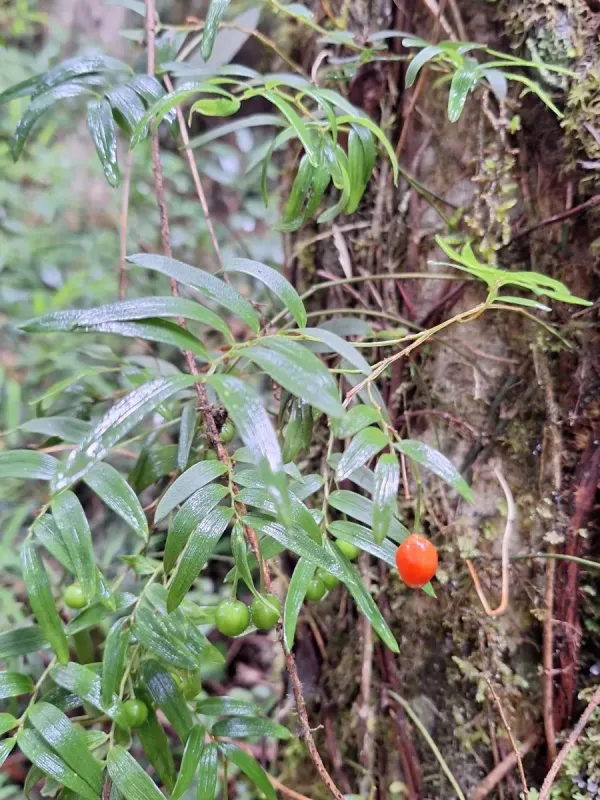
Description
Growing requirements
Luzuriaga radicans is a charming evergreen creeper belonging to the Alstroemeriaceae family. Native to the temperate rainforests of Chile and Argentina, this plant thrives in cool, humid environments under a natural canopy.
Botanically, it is characterized by slender, climbing stems that utilize adventitious roots to anchor themselves onto surfaces. The foliage consists of dark green, leathery leaves that remain vibrant throughout the seasons, making it a prized ornamental plant.
For successful cultivation, the plant requires a shaded or semi-shaded location. Exposure to intense, direct sunlight is generally detrimental, as it can desiccate the foliage and impede the plant’s natural development.
A well-draining, moisture-retentive substrate rich in organic matter is essential. The soil should maintain a slightly acidic to neutral pH, mimicking the forest floor conditions found in its native habitat in South America.
In terms of usage, Luzuriaga radicans is frequently employed in greenhouse landscaping and interior gardens. Its habit of forming dense, leafy mats makes it excellent for covering vertical structures in temperate or cool-climate garden setups.
Main diseases and pests
The primary threats to this species include fungal pathogens resulting from stagnant moisture or poor air circulation. Root rot is a common issue when drainage is inadequate, leading to the rapid decline of the entire plant structure.
Pests such as spider mites and scale insects are frequently encountered, particularly in indoor environments with low humidity. These pests thrive in dry air and can quickly infest the stems and leaves, causing damage to the plant's vascular system.
Overwatering during the dormant period or in cooler conditions can be fatal to the root system. It is vital to allow the soil to reach a balanced state of moisture rather than keeping it consistently waterlogged throughout the year.
Management of these threats involves proactive monitoring and the maintenance of a stable microclimate. Ensuring adequate spacing between plants significantly improves airflow and reduces the likelihood of fungal outbreaks.
In cases of infestation, non-toxic horticultural oils or insecticidal soaps can be applied as a management strategy. Always verify that environmental stressors, such as temperature fluctuations, are minimized to maintain plant vigor.