
Luzula purpureosplendens
Luzula purpureosplendens
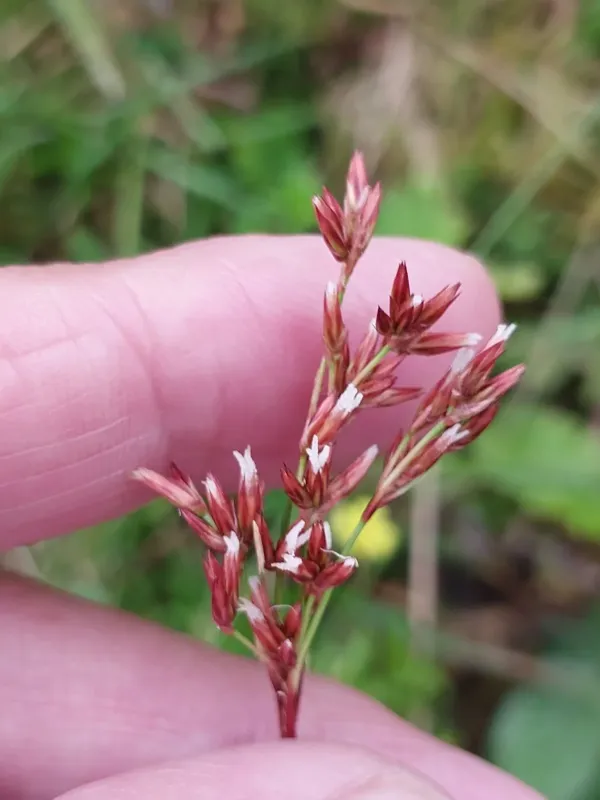
Description
Growing requirements
Luzula purpureosplendens is a perennial plant belonging to the Juncaceae family. It is characterized by its tufted growth habit and attractive foliage, making it a popular choice for shade-loving garden arrangements.
The plant thrives in moist, humus-rich soil that mimics a woodland environment. It is particularly well-suited for areas with partial to full shade, where its foliage remains lush and vibrant throughout the growing season.
Climatic requirements involve moderate temperatures; however, the plant is hardy and capable of surviving significant winter frosts. Proper drainage is essential, as the roots are sensitive to waterlogging, especially during dormant months.
Cultivation practices include providing consistent moisture levels during the spring growth phase. Adding organic mulch around the base of the plant helps retain soil moisture and prevents unwanted weed germination.
In landscaping, it is used for ground cover, bordering shady walkways, and adding texture to woodland garden designs. Its ability to tolerate low light makes it a versatile species for difficult garden spots.
Main diseases and pests
The primary threats to Luzula purpureosplendens are fungal diseases linked to high humidity and poor soil drainage. Root rot is the most common issue when soil conditions are not managed correctly.
Pests such as slugs and snails may graze on the foliage during cool, damp spring weather. Implementing biological control methods is usually sufficient to manage these populations effectively.
Fungal leaf spot can occur if the plants are crowded together without sufficient air circulation. Thinning out the clumps can improve airflow and reduce the risk of infection.
Environmental stress, such as extreme heat or prolonged drought, can make the plant more susceptible to opportunistic diseases. Providing supplemental water during heatwaves is highly recommended.
Maintaining a clean garden bed by removing decaying plant debris helps prevent the accumulation of pathogens that could affect the health of the clumps.