
Luzula oligantha
Luzula oligantha
Description
Sowing dates
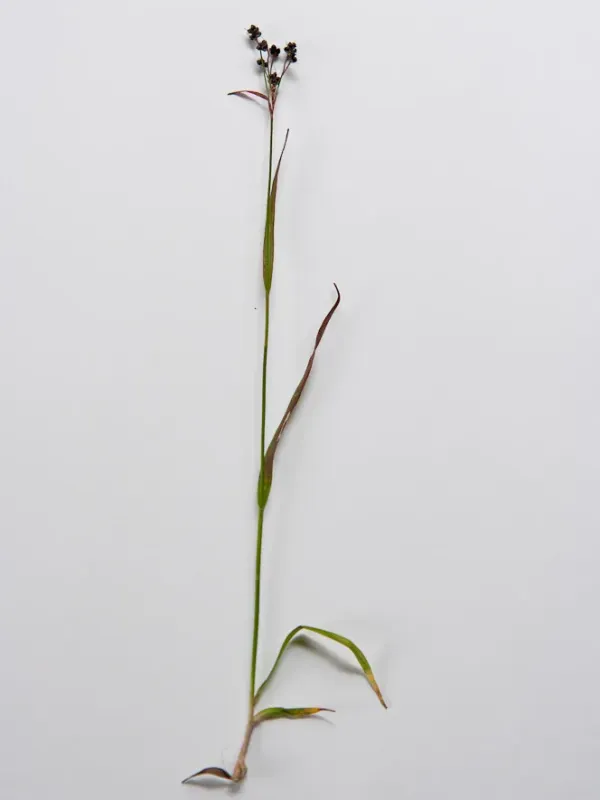
Luzula oligantha is a perennial herbaceous plant belonging to the Juncaceae family. In agricultural contexts, it is primarily recognized for its role in ecological restoration and as a ground-cover species rather than a high-yield grain crop.
The sowing process requires specific conditions to overcome seed dormancy. Seeds typically need a period of cold stratification, which is best achieved by sowing in the late autumn to allow the winter temperatures to break their natural dormancy.
For best results, seeds should be sown shallowly, as they require light to germinate effectively. A depth of no more than 0.5 centimeters is recommended to ensure the seedlings can emerge successfully from the soil surface.
Growth during the first year is notably slow, as the plant focuses on establishing its root system and producing a basal rosette of leaves. Weed control during this establishment phase is critical to ensure the crop has access to necessary nutrients and light.
When sowing in trays for later transplanting, a cool and moist substrate should be used. Maintaining constant humidity is vital until germination is complete, after which watering can be adjusted to support stable plant development.
Growing requirements
Luzula oligantha thrives in moderate environments with consistent moisture levels. It shows a significant preference for partial shade, mimicking the conditions of its native woodland or mountain meadow habitats.
The plant performs best in soils that are rich in organic matter and have a slightly acidic to neutral pH. It is not suitable for highly alkaline or extremely dry sandy soils, which do not hold enough moisture to support the plant's metabolic processes.
Temperature tolerance is a hallmark of this species. It is well-adapted to cooler climates and can withstand freezing temperatures, making it a reliable plant for northern regions where more sensitive species might fail to survive the winter.
Air circulation is important for maintaining plant health and preventing the onset of humidity-related issues. While it loves moisture, stagnant water around the roots must be avoided through effective drainage practices.
Fertilization should be handled with care. A light application of compost or well-rotted organic matter is sufficient to support healthy foliage production without stimulating excessive growth that could make the plant vulnerable to environmental stress.
Main diseases and pests
Luzula oligantha possesses high resistance to many common agricultural pests. The presence of silica in the leaf tissue acts as a deterrent, making the leaves tough and unpalatable to most chewing insects.
The most common threat to young plantings is the presence of slugs and snails. These pests can rapidly damage the basal rosettes during humid conditions, potentially jeopardizing the development of the young crop.
Root rot remains a potential threat when soil compaction occurs or when drainage is inadequate. This condition is often indicated by the browning of leaf tips and a general decline in the plant's vigor.
To mitigate disease risk, it is important to avoid overcrowding the plants. Proper spacing ensures that foliage can dry out after rain, significantly reducing the chances of fungal infections taking hold within the crown.
Monitoring for signs of leaf spot or discoloration is recommended during the peak growing season. If issues are detected, removing affected parts and improving air flow are usually sufficient to control the spread of any minor infection.