
Hairy lupin
Lupinus villosus
Description
Sowing dates
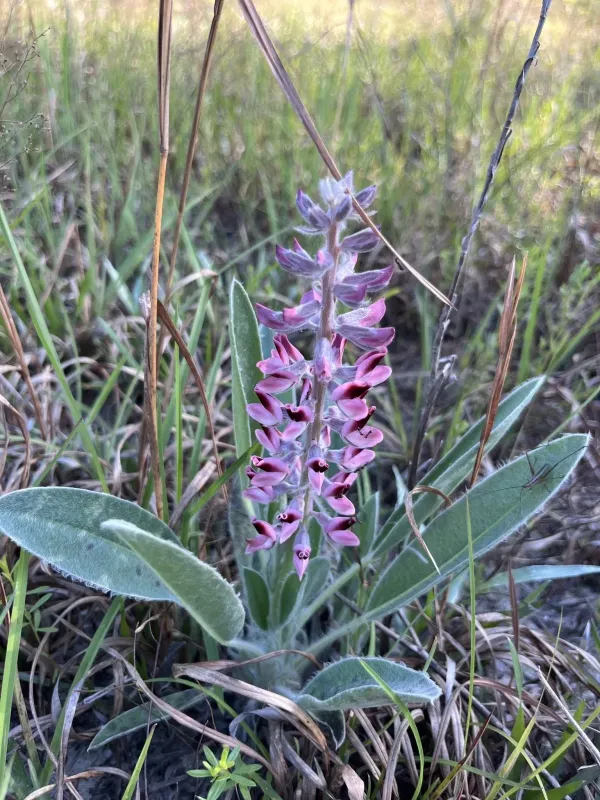
Hairy lupin (Lupinus villosus) belongs to the Fabaceae family. It is an annual herbaceous plant characterized by high adaptability to sandy and nutrient-poor soils. In agricultural practice, seeding is carried out in early spring as soon as the soil warms up to 5–7 degrees Celsius.
Optimal sowing dates depend on the climatic zone, but early seeding is preferred to ensure full root system development. Sowing depth ranges from 3 to 5 centimeters depending on soil moisture and texture.
Seeding density should be sufficient to suppress weed growth, as the lupin grows relatively slowly during the initial stages. When used as a green manure crop, seeding rates may be slightly increased to achieve maximum biomass.
A crucial factor during sowing is the presence of specific nodule bacteria in the soil that facilitate nitrogen fixation. When cultivating on new fields, it is recommended to inoculate seeds with appropriate rhizobia strains.
Correct timing of sowing allows the plant to make the most of spring moisture reserves. This is critical because Hairy lupin forms a deep taproot that penetrates into lower soil horizons.
Growing requirements
The crop prefers well-drained, sandy, or loamy-sand soils with an acidic to neutral pH level. Hairy lupin stands out for its exceptional tolerance to poor substrates where other grain legumes show low productivity.
The plant is photophilous; therefore, open and well-lit areas must be chosen to achieve high yields. Shading leads to stem stretching and a decrease in total vegetative mass accumulation.
Lupin has moderate temperature requirements, though it possesses some frost resistance during early growth stages. It is essential to avoid waterlogging, as the root system is sensitive to lack of oxygen.
The level of available phosphorus and potassium in the soil is of particular importance for development. Despite its nitrogen fixation ability, starter fertilizer doses can positively affect the growth rate of young seedlings.
In regions with an arid climate, Hairy lupin shows high resistance to moisture deficit due to its specific morphology. This makes it a valuable component of crop rotations in areas prone to drought.
Main diseases and pests
The main threats to Hairy lupin are fungal diseases, such as Fusarium wilt, which affects the plant's vascular system in excessive moisture conditions. Prevention includes strict crop rotation and the use of high-quality treated seed material.
Anthracnose poses a serious danger, manifesting as brown spots on stems and fruits. The disease development is favored by warm, humid weather and the presence of crop residues, which act as disease reservoirs.
Among pests, lupin weevils cause the most damage by attacking seedlings and generative organs. Monitoring fields during the active growth period is recommended to control pest populations.
Aphids can also colonize plants, sucking sap from young leaves and inflorescences, which slows plant development. In some cases, they act as vectors for viral diseases that reduce crop quality.
To minimize losses from diseases and pests, integrated protection systems are employed. A key step is the destruction of weeds, which can serve as alternative hosts for pathogens and harmful insects.