
Lupinus hirsutissimus
Lupinus hirsutissimus
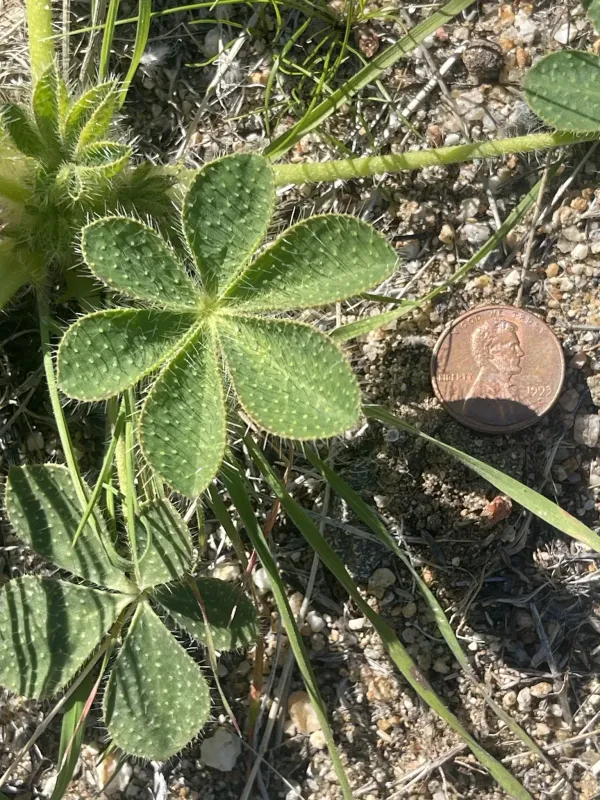
Description
Sowing dates
Lupinus hirsutissimus is an annual herbaceous plant that requires careful selection of sowing time to maximize its potential. Planting is generally performed in early spring as soon as the soil has sufficiently warmed, typically when temperatures are stable above 8–10 degrees Celsius.
The recommended sowing depth ranges from 3 to 5 centimeters, depending on the moisture level of the seedbed. Consistent depth is essential for uniform germination, which ensures that all plants emerge at the same time and compete equally for light and nutrients.
Proper plant spacing is vital for the development of individual plants and the overall canopy structure. A standard density of 80 to 120 plants per square meter is usually targeted, allowing for adequate aeration and reducing the incidence of humidity-related foliage diseases.
Mechanical sowing equipment should be calibrated to prevent excessive seed damage, as the seed coats of certain lupine species can be fragile. High-quality seed with proven germination rates is a prerequisite for achieving the target density and uniform crop development.
For cover cropping purposes, timing can be adjusted to align with the overall crop rotation schedule. However, it is essential to ensure that the biomass is managed before the plants reach maturity and become too lignified for effective soil incorporation.
Growing requirements
This lupine species thrives in well-drained, sandy-loam soils that offer excellent aeration. It is sensitive to waterlogged conditions, which can lead to root hypoxia and the subsequent development of soil-borne pathogens that compromise the health of the entire crop.
Lupinus hirsutissimus requires full sun exposure to maintain high rates of photosynthesis. Even partial shade can result in elongated stems, reduced branching, and significantly lower yields of both green biomass and seed production during the harvest phase.
As a legume, this plant relies on a symbiotic relationship with nitrogen-fixing bacteria to fulfill its nitrogen requirements. In soils where the crop has not been grown previously, inoculation with the appropriate Rhizobium strains is highly recommended for optimal results.
The climate requirements include moderate temperatures, as excessive heat during the flowering stage can trigger blossom drop and stress the plants. Mild, temperate conditions are ideal for the plant's metabolic activity and long-term vitality throughout the growing season.
Regarding soil fertility, the plant performs best in neutral to slightly acidic pH levels. Extremely alkaline conditions can interfere with the uptake of essential micronutrients, particularly iron and manganese, leading to chlorosis and stunted growth patterns.
Main diseases and pests
Fungal pathogens such as anthracnose represent a major threat to lupine crops, particularly in seasons characterized by high humidity and frequent rainfall. These pathogens attack all aerial parts of the plant, potentially leading to total crop failure if left unmanaged.
Insect pests, specifically the lupine aphid and various species of weevils, can cause significant economic losses. Weevils are particularly damaging during the seedling stage, as they feed on young foliage and can destroy the apical meristem of the plant.
Viral diseases, which are often transmitted by aphids, pose a severe risk to the longevity of the crop. Once a plant is infected with a systemic virus, there is no curative treatment, making prevention through weed control and vector management essential.
Integrated pest management strategies are crucial for maintaining the health of the crop while minimizing reliance on broad-spectrum chemical inputs. Regular field scouting and the use of resistant varieties provide the most effective defense against localized outbreaks.
Crop rotation remains the foundational practice for disease prevention in lupine production. Avoiding the cultivation of legumes on the same field for consecutive years helps to break the life cycle of soil-dwelling pathogens and prevents the build-up of insect populations.
Harvesting
The harvesting process for green biomass is typically carried out during the early pod-filling stage, when the nutrient concentration in the vegetative parts is at its peak. This ensures that the material is of high nutritional value for use as green manure or fodder.
When the goal is seed production, harvest is delayed until the pods have reached maturity and turned brown, indicating moisture levels have dropped to an acceptable range. Careful timing is required to prevent excessive shattering, which leads to significant yield losses.
Modern harvesting machinery, such as combine harvesters, must be adjusted to minimize mechanical damage to the seeds. Proper setting of cylinder speed and concave clearance is critical to preserving the integrity of the harvest, especially for high-quality seed lots.
Post-harvest handling involves rapid drying of the seed material to prevent mold growth and maintain viability. Storage environments should be cool, dry, and well-ventilated to protect the seeds from moisture fluctuations and potential infestation by storage pests.
If the crop is intended for soil improvement, the biomass is incorporated into the topsoil using disk harrows or other tillage implements. This practice enriches the soil organic matter content and significantly increases the nitrogen availability for subsequent crops.