
Ludovia lancifolia
Ludovia lancifolia
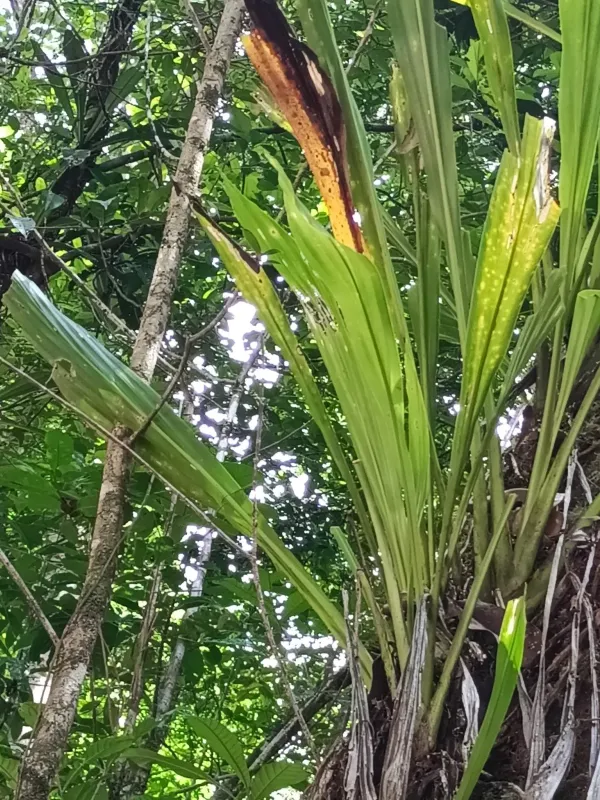
Description
Growing requirements
Ludovia lancifolia is a plant belonging to the Cyclanthaceae family. It is a tropical species native to the understory of humid forests in Central and South America, where it thrives in shaded and moist environments.
Successful cultivation requires specific climatic conditions, primarily high atmospheric humidity and consistently warm temperatures. The plant is sensitive to temperature fluctuations and cold drafts, necessitating a stable indoor environment.
The growing medium must be loose, nutrient-rich, and possess excellent drainage to prevent root rot. A mix containing peat moss, leaf mold, and charcoal is recommended to support healthy root development.
Bright but diffused light is essential, as direct sunlight causes leaf scorching. Positioning the plant in areas that avoid the harsh midday sun is crucial for maintaining foliage quality and color.
The main commercial application for this plant is within the ornamental sector, specifically for interior landscaping and botanical conservatories. Its distinct foliage makes it a desirable specimen for high-end tropical decor.
Main diseases and pests
Fungal diseases present a primary threat to Ludovia lancifolia, typically resulting from overwatering or inadequate air circulation around the root zone and leaves. Proper drainage management is the most effective preventative measure.
Common pests include spider mites and scale insects, which proliferate rapidly in low-humidity environments. Regular inspection of the undersides of the leaves is advised to catch infestations in early stages.
In cases of infestation, systemic insecticides and miticides should be applied according to professional guidelines. Maintaining high humidity and cleaning the leaves can also discourage pest colonization.
Cultural practices such as monitoring moisture levels and ensuring proper ventilation are essential to fortifying the plant's natural resistance. Healthy plants are significantly less susceptible to pest attacks.
Regular maintenance ensures that the plant remains vigorous and aesthetically appealing, preventing the long-term damage often associated with neglect or unsuitable environmental stressors.