
Loxogramme dictyopteris
Loxogramme dictyopteris
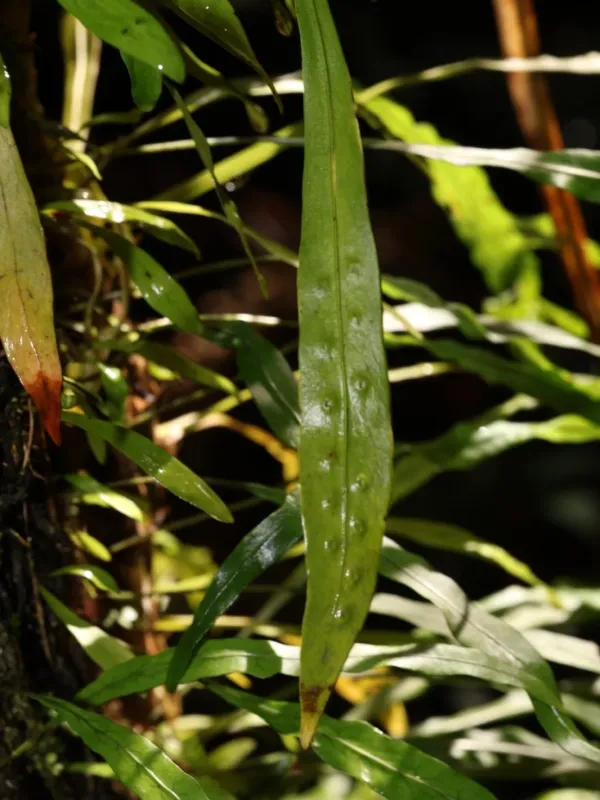
Description
Growing requirements
Loxogramme dictyopteris is a distinct species of fern belonging to the Polypodiaceae family. It is recognized for its unique, lanceolate foliage and its natural inclination towards an epiphytic lifestyle, often observed growing on tree branches or moss-covered rock surfaces in its native habitat.
Originating from the tropical regions of Southeast Asia and Oceania, this species requires a warm, humid environment to thrive. It is typically found in shaded forest understories, which necessitates filtered, indirect sunlight for domestic cultivation to prevent the scorching of its delicate fronds.
The climate requirements for this plant are centered on maintaining high ambient humidity, ideally above 70 percent. It is highly sensitive to dry air, which is common in many household settings, necessitating the use of humidifiers or regular misting to emulate its natural forest surroundings.
Soil management for this fern must prioritize excellent drainage and aeration. A standard potting mix is often unsuitable; instead, a substrate consisting of orchid bark, perlite, and long-fiber sphagnum moss is recommended to prevent waterlogging and allow root respiration.
Agricultural and horticultural practices involve minimal intervention. Watering should be done carefully, ensuring the substrate is moist but not saturated. Fertilization should be kept light, using organic-based liquid fertilizers applied sparingly during the warmer growing months to support frond development.
Main diseases and pests
The most common pests affecting this fern include spider mites, which thrive in low-humidity environments, and scale insects. Maintaining hygiene around the plant and ensuring proper airflow are critical steps in preventing these infestations from becoming unmanageable.
Fungal pathogens and root rot are the primary threats caused by poor cultural conditions, specifically overwatering and inadequate substrate drainage. Management strategies involve inspecting the root system regularly and adjusting the watering frequency to allow the substrate to dry slightly between sessions.