
Loxococcus rupicola
Loxococcus rupicola
Description
Growing requirements
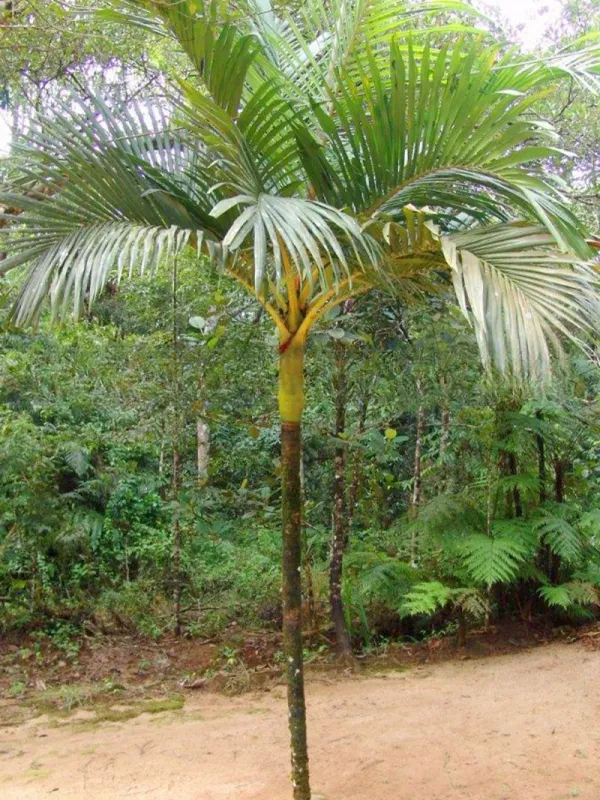
Loxococcus rupicola is a distinct species of palm within the family Arecaceae. It is a monotypic genus native exclusively to the tropical rainforests and rocky mountainous regions of central Sri Lanka, where it grows in unique microclimates.
The plant is distinguished by its slender structure and pinnate leaves. It is specifically adapted to lithophytic growth, often rooting in rock crevices at elevations ranging from 300 to 1,000 meters above sea level, which highlights its specialized ecological niche.
Cultivation requirements demand a consistently high-humidity environment, ideally exceeding 75%, and a stable temperature range between 22°C and 27°C. The species lacks tolerance for cold drafts, frost, or significant drops in nighttime temperatures.
The soil substrate must be exceptionally well-draining, mimicking the forest leaf litter and rocky humus layers of its native habitat. It is essential to prevent water accumulation at the root base, as this species is prone to rapid root rot under anaerobic conditions.
As a slow-growing ornamental, it is primarily found in botanical collections and specialized greenhouses. It thrives under filtered or diffused light conditions, as direct, intense sunlight can damage the delicate chlorophyll balance of its fronds.
Main diseases and pests
The primary threats to Loxococcus rupicola involve the degradation of its limited natural habitat. Fragmentation of the Sri Lankan rainforests due to climate change poses a significant risk to the long-term survival of this species in the wild.
When grown in greenhouse settings, the plant is susceptible to common palm pests including spider mites, scale insects, and mealybugs. Integrated pest management strategies are advised to keep these infestations at low, non-damaging levels.
Fungal pathogens often appear if air circulation is insufficient within the cultivation area. Providing constant, gentle airflow helps to maintain dry leaf surfaces and inhibits the development of mold or spotting on the fronds.
Over-fertilization is a major threat to this slow-growing palm, as it cannot handle high concentrations of synthetic nutrients. Light, infrequent feeding with organic-based fertilizers is usually safer and more effective for this sensitive species.
Root health is the ultimate indicator of plant vigor. If any discoloration of the leaf tips occurs, it is a sign to immediately check the root system for moisture levels and potential soil compaction or lack of drainage.