
Loudetiopsis chrysothrix
Loudetiopsis chrysothrix
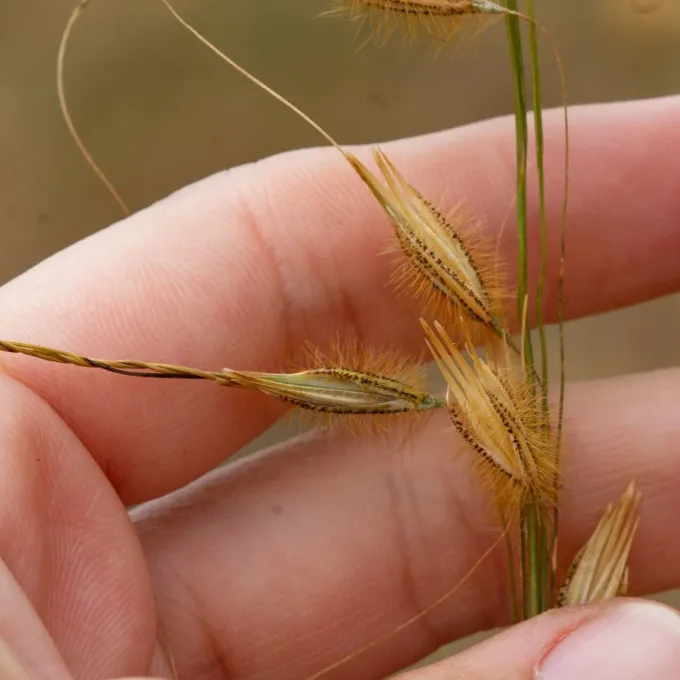
Description
Sowing dates
Sowing this perennial grass species in its natural range is typically timed with the onset of the rainy season. The optimal period for establishing pastures is when stable warm weather arrives, accompanied by adequate soil moisture levels.
Seeds are sown on a prepared surface, and deep burial is not recommended due to the small size of the seeds. A crucial condition for successful germination is maintaining high substrate moisture during the first weeks after sowing.
For establishing an optimal sward, both seed propagation and vegetative transplanting of clumps are practiced. Sowing density is calculated based on the intended use: higher rates for hayfields and lower rates for pasture grazing.
Fields must be cleared of perennial weeds before planting, as the crop is sensitive to competition during early growth stages. Phosphorus fertilization during sowing is recommended to stimulate root system development.
Young seedlings develop relatively slowly, so it is important to protect the crops from excessive livestock grazing or mechanical damage during the first few months of life.
Growing requirements
Loudetiopsis chrysothrix belongs to the Poaceae family and is a typical representative of tropical savanna vegetation. The plant is adapted to distinct seasonal climate changes and demonstrates high tolerance to drought periods.
The crop prefers well-drained, sandy loam, or sandy soils with an acidic pH. It reacts very negatively to waterlogging, so areas with heavy clay soils are unsuitable for its cultivation.
The plant is light-demanding and requires high solar radiation for biomass accumulation and reproductive phase progression. Under shading, productivity drops significantly, and both ornamental and forage qualities deteriorate.
The optimal temperature range for active growth is between +22 and +30 degrees Celsius. The plant can tolerate short-term temperature fluctuations, but prolonged frost can damage the growing point.
A key requirement is the presence of moderate soil nutrients, especially nitrogen and magnesium, which helps maintain the bright golden hue of the leaves characteristic of this species.
Yield
The yield of green biomass depends directly on moisture availability during the growing season and the regularity of mineral fertilization. Under favorable conditions, the crop is capable of providing several cuts per season.
Average dry biomass yield varies depending on soil type and climatic zone, providing significant volumes with proper pasture management. Regular trimming promotes tillering.
Nutrient content is higher during the booting phase, so cutting at this specific time is recommended for harvesting high-quality hay. Late harvesting leads to stem lignification and loss of nutritional value.
When used as pasture, it is important to follow a rotational grazing regime to allow the sward to recover after grazing. Intensive grazing during dry periods can deplete nutrient reserves in the rhizomes.
The yield potential can only be realized by maintaining an optimal plant stand density, which prevents the crop from being outcompeted by more aggressive weed species.
Main diseases and pests
The main threats to this crop are specific tropical fungal diseases that develop under high humidity. Prevention consists of maintaining proper aeration and avoiding over-irrigation.
Pests such as grass flies and certain species of grasshoppers can cause significant damage to foliage, reducing the plant's overall photosynthetic activity. Pest population monitoring is necessary during critical growth phases.
Root rots are the most dangerous pathogens, often occurring when soil drainage is poor. Affected plants slow their growth, show chlorotic symptoms, and often die within a short period.
Improper grazing management can promote the spread of weeds that suppress grass growth. Timely clearing of fields from unwanted plant species is essential for maintaining health.
To control pest numbers and disease spread, both agrotechnical methods and the selective use of biological protection agents, safe for subsequent livestock grazing, are employed.
Harvesting
Hay harvesting is conducted during the heading phase when the plant is maximally enriched with proteins and carbohydrates. Mowing is performed at a height of 5–10 cm from the ground to ensure rapid regrowth.
During the harvesting process, it is important to ensure rapid wilting of the mown mass to preserve color and nutritional properties. Using mechanical tedders is recommended if weather conditions do not allow for drying the grass in swaths.
If the goal is seed collection, harvest is conducted after the panicles have fully matured and the lower stem begins to lose its green color. Preventing seed shattering is crucial, so harvest timing is determined on a daily basis.
Collected seeds are cleaned of impurities and dried in well-ventilated areas until they reach a moisture content suitable for long-term storage. Stored seed material must be protected from rodents and high humidity.
Post-harvest residues can be used for soil mulching, which helps conserve moisture and suppress weed growth in the following period, contributing to the maintenance of soil fertility.