
Lotus longisiliquosus
Lotus longisiliquosus
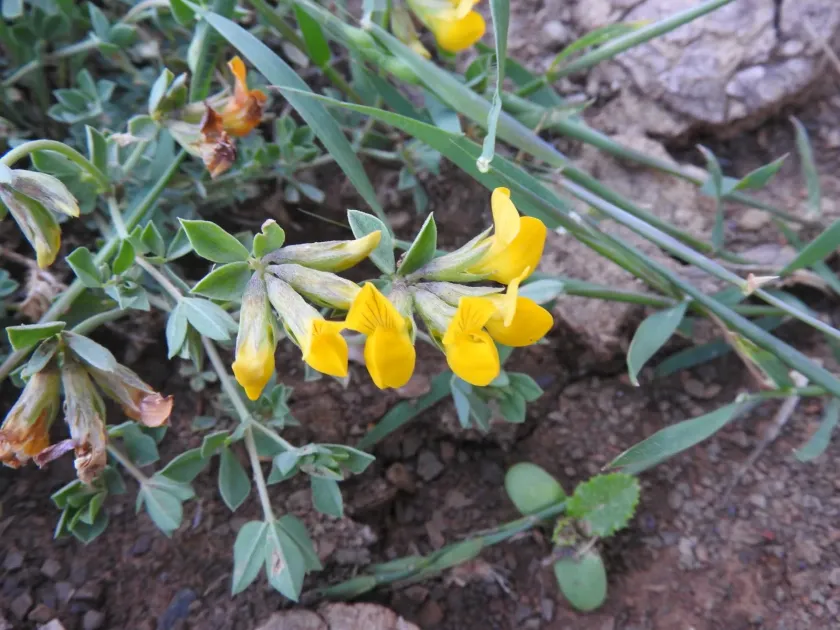
Description
Sowing dates
Lotus longisiliquosus is a resilient perennial legume species that belongs to the Fabaceae family, offering significant value for sustainable agriculture.
The optimal sowing period occurs in early spring when the soil temperature consistently reaches 8–10 degrees Celsius, facilitating rapid germination.
Seeds should be sown at a shallow depth of approximately 1–2 centimeters in well-prepared, fine-textured seedbeds to ensure successful establishment.
The use of specialized seed drills is recommended for uniform plant distribution across the field, which optimizes biomass production during the growing season.
Fall sowing is an alternative in specific climatic zones, allowing the seedlings to utilize early spring moisture effectively before the summer heat.
Growing requirements
This crop exhibits remarkable soil adaptability, thriving in various substrates including sandy loams, silty clays, and even slightly saline environments.
It is particularly noted for its superior tolerance to temporary waterlogging, making it a reliable choice for floodplains and low-lying agricultural lands.
Lotus longisiliquosus requires moderate climatic conditions but possesses sufficient cold hardiness to survive winter dormancy under snow cover.
Biological nitrogen fixation is a critical process for this species, necessitating the presence of compatible Rhizobium bacteria in the soil environment.
While it prefers full sunlight for maximum yield, the plant displays moderate shade tolerance, suitable for intercropping within pasture systems.
Yield
The economic utility of this crop lies in its dual-purpose application for hay production and grazing, providing highly nutritious forage for livestock.
Depending on soil fertility and irrigation management, the yield of green biomass typically ranges from 15 to 25 metric tons per hectare.
Nutritional analysis indicates high protein content and digestibility, making it a premium forage choice for maintaining cattle health and productivity.
Seed harvesting requires careful timing because the pods do not ripen simultaneously, necessitating a split-harvest approach to minimize yield loss.
Under intensive management systems, the crop can support multiple cuts per year, provided that soil moisture and nutrient levels are adequately maintained.
Main diseases and pests
Fungal pathogens such as rust and anthracnose are the primary concerns, especially in high-humidity conditions that promote the development of spores.
Insect pests, including the clover root curculio and various aphid species, can significantly reduce stand density if not monitored during the early vegetative stage.
Weed management is vital during the establishment phase, as the slow initial growth rate of Lotus longisiliquosus makes it susceptible to competition.
Integrated pest management strategies, involving crop rotation and timely field scouting, are essential for maintaining the longevity of the perennial stand.
Applying disease-resistant cultivars and maintaining optimal plant health through balanced nutrition helps to mitigate the impact of common agricultural threats.