
Loquat
Eriobotrya japonica (Thunb.) Lindl.
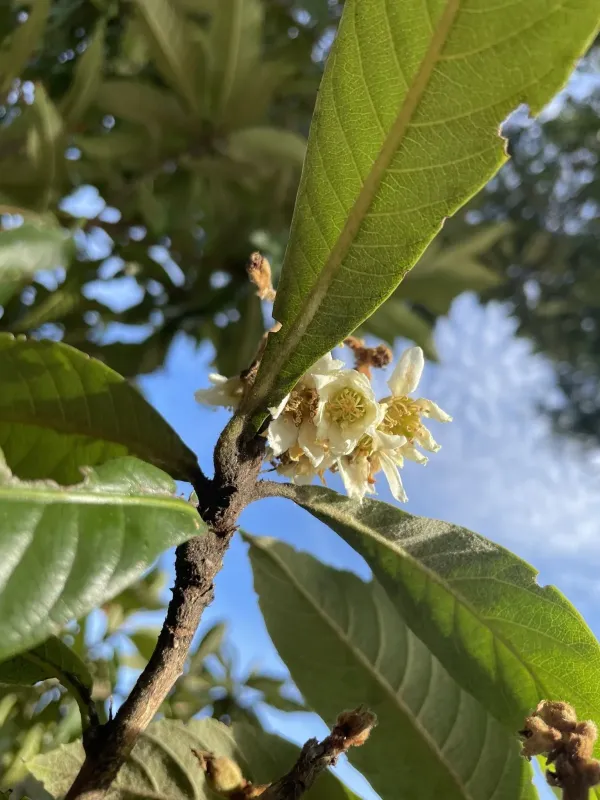
Description
Growing requirements
The loquat (Eriobotrya japonica) is a significant evergreen fruit tree belonging to the Rosaceae family. Native to the cool, subtropical regions of China, it has become a staple fruit crop across many warm-temperate and subtropical regions worldwide.
The tree thrives in climates with mild winters, as it is moderately frost-sensitive. While the tree can withstand light frosts, the flower buds and young fruit are susceptible to damage if temperatures drop significantly during the winter flowering period.
Loquats prefer well-drained, fertile soil ranging from loamy to sandy textures. They perform best in full sun or light shade, provided they are sheltered from strong, drying winds which can scorch the foliage and reduce fruit yield quality.
Proper irrigation management is essential for this crop. Although established trees exhibit some tolerance to dry conditions, consistent soil moisture during the flowering and fruit development stages is critical for achieving optimal fruit size and sweetness.
Maintenance pruning is vital for loquat trees. By managing the canopy structure, growers ensure adequate sunlight penetration into the center of the tree, which promotes better fruit production and reduces the humidity that can lead to fungal outbreaks.
Yield
Loquat trees typically begin fruiting 3 to 5 years after planting. A healthy, mature tree can produce substantial yields, which are highly valued for their sweet, tangy flavor and medicinal properties in various traditional health practices.
Commercial orchards prioritize high-yielding, large-fruited cultivars that are suited for long-distance transport. The fruit is rich in vitamin A, fiber, and antioxidants, making it a desirable product in the fresh market and for gourmet culinary applications.
Main diseases and pests
Fire blight is considered the most serious threat to loquat health, often causing significant damage to blossoms and branches. Strict sanitation practices, such as removing infected tissue and disinfecting tools, are necessary to prevent the spread of bacteria.
Insect pests, including aphids and various scale species, can become problematic by weakening the tree and causing unsightly sooty mold growth. Integrated pest management strategies are recommended to maintain ecological balance and ensure high-quality fruit production.
Harvesting
Harvesting usually occurs in late spring or early summer, depending on the cultivar and local climate. Since loquats do not ripen well off the tree, they must be harvested only when fully mature and colored to ensure maximum sugar content.
Because the skin is thin and easily bruised, fruit must be handled with extreme care during picking. It is best to clip the fruit stalks with shears rather than pulling, then store the harvest in shallow containers to prevent bruising before market distribution.