
Lophiocarpus tenuissimus
Lophiocarpus tenuissimus
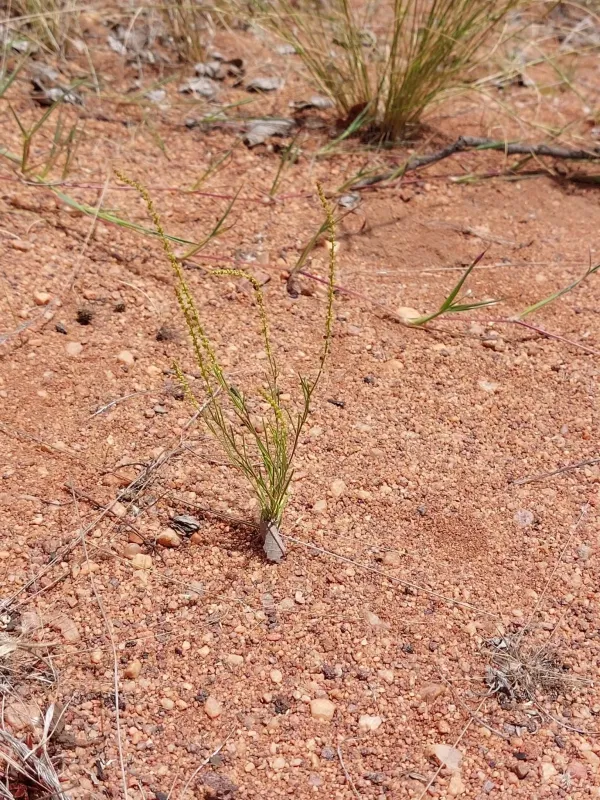
Description
Growing requirements
Lophiocarpus tenuissimus is a botanical species belonging to the Amaranthaceae family. It is a niche herbaceous plant native to the arid and semi-arid landscapes of Southern Africa.
The plant exhibits unique morphological adaptations to water scarcity, including reduced foliage size and a robust root system designed to extract moisture from deep soil layers.
It thrives in sandy and well-drained soils, which are typical for its natural habitat. It does not tolerate waterlogging, as standing water can rapidly lead to root decay and overall plant failure.
The climate requirements include high solar radiation and stable warm temperatures. It is highly drought-tolerant, making it a candidate for low-input cultivation in regions with limited irrigation resources.
Agricultural management should prioritize soil aeration and avoiding overcrowding, as the plant needs sufficient space for its root system to develop adequately in nutrient-poor conditions.
Main diseases and pests
Primary threats to the crop include various soil-borne pathogens that thrive in conditions where soil moisture levels are poorly controlled or overly high.
Pests such as aphids and spider mites are frequent invaders of the foliage. These insects can reduce the vigor of the plant, especially during prolonged dry spells when the plant is already under physiological stress.
Managing the weed population is crucial during the early growth stages. Since the plant is not highly competitive at the seedling stage, manual weeding or careful mechanical control is recommended.
Biosecurity measures should be implemented to prevent the introduction of viral or fungal infections that are common in the Amaranthaceae family.
Routine scouting is necessary to identify localized pest outbreaks early, allowing for targeted interventions that preserve the plant's resilience to harsh environmental factors.