
Lophiocarpus guyanensis
Lophiocarpus guyanensis
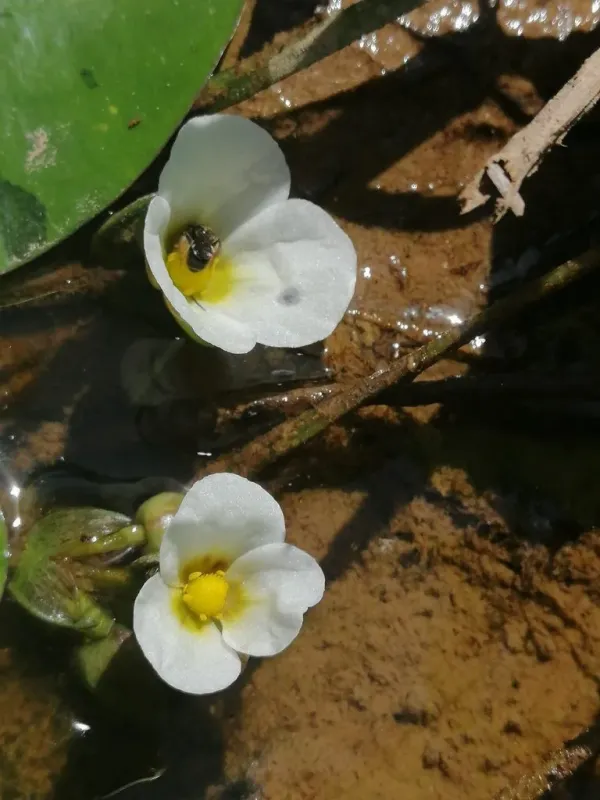
Description
Sowing dates
Lophiocarpus guyanensis is a herbaceous species belonging to the Lophiocarpaceae family, characterized by specific growth cycles native to its tropical environment.
Sowing should be timed carefully to align with the start of the growth season, avoiding periods of excessive rainfall that can lead to seed rotting.
Proper soil preparation, including loosening the top layer to a fine tilth, is essential for the successful germination of these relatively small seeds.
Seed spacing must be optimized to ensure that each plant has enough room to develop its root system and foliage without intense competition for light.
Using a germination tray in a controlled environment before transplanting into the field can significantly increase the survival rate of the seedlings.
Growing requirements
This crop thrives in well-drained, sandy-loam soils that maintain a neutral pH level and do not retain excessive water after irrigation or rain.
The plant requires high levels of solar radiation to sustain its metabolic processes and reach its full potential in terms of biomass production.
Temperature stability is crucial, with the plant performing best in regions where temperatures remain consistently between 22 and 30 degrees Celsius.
Nutrient requirements include balanced nitrogen, phosphorus, and potassium levels, which should be applied early in the vegetative growth phase.
Adequate air circulation around the plants is necessary to prevent the accumulation of humidity, which can lead to rapid fungal proliferation.
Main diseases and pests
Fungal infections, particularly root rot, are the most significant threat to the health of Lophiocarpus guyanensis crops in high-humidity areas.
Pests such as aphids and spider mites can severely impact leaf health, leading to yellowing, stunted growth, and a significant reduction in overall yield.
Effective weed management is necessary as weeds can act as reservoirs for pathogens and pests that specifically target this botanical family.
Crop rotation protocols should be implemented to prevent the buildup of soil-borne pathogens in the fields where the crop has been cultivated previously.
Integrated pest management strategies are recommended to keep damage levels under control without relying solely on harsh chemical treatments.