
Lonchophora capiomontana
Lonchophora capiomontana
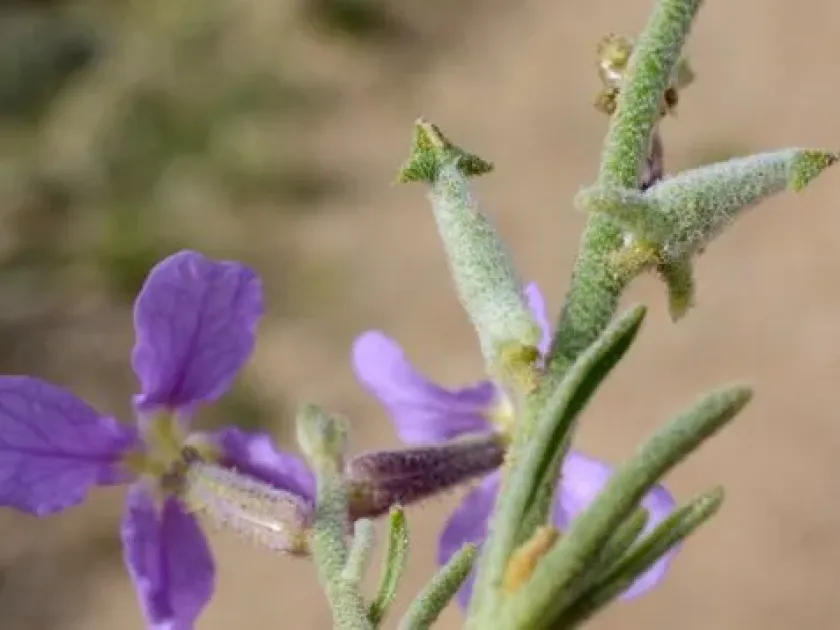
Description
Sowing dates
The sowing period for Lonchophora capiomontana is strictly dependent on local climatic conditions, specifically the transition to consistent spring temperatures. It is recommended to perform seeding once soil temperatures have reliably reached the threshold necessary for rapid germination of this legume species.
Careful attention must be paid to planting density, as excessive crowding can impede air circulation and lead to moisture retention issues. Using high-quality, pre-treated seeds ensures a higher emergence rate and establishes a uniform stand, which is crucial for subsequent mechanized field operations.
Growing requirements
Lonchophora capiomontana thrives in well-drained soil environments with adequate fertility levels, preferring balanced structural composition. Soil aeration is a vital factor, as compacted ground inhibits the development of the root system and limits the efficiency of mineral nutrient uptake.
The crop demands a significant amount of light to reach its full productive potential, making site selection a priority for growers. In terms of moisture, while it exhibits a level of hardiness, supplemental irrigation is often beneficial during the critical reproductive stages to maximize grain fill.
Harvesting
Harvesting Lonchophora capiomontana requires careful monitoring of pod moisture content to prevent shattering and quality loss during the transition from the field to storage. Ideally, the process should be timed to avoid high humidity conditions, ensuring the crop reaches the desired storage specification.