
Giant fescue
Lolium giganteum
Description
Sowing dates
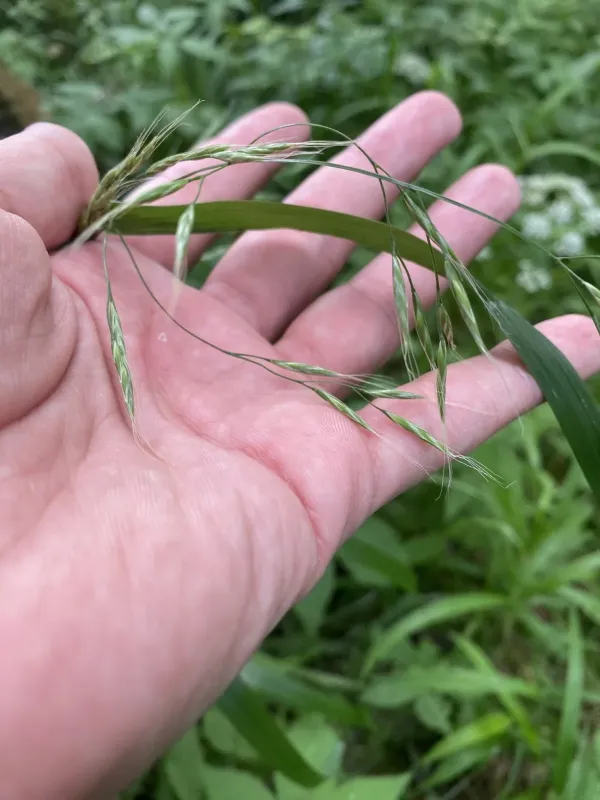
Giant fescue (Festuca gigantea) is a perennial grass species belonging to the Poaceae family. Naturally occurring in forest zones throughout Eurasia, this plant has adapted to shaded and humid environments, making it a robust option for various agricultural landscapes.
Sowing is typically scheduled for early spring or late summer, capitalizing on periods of soil moisture to ensure successful seed germination. Precise depth control, ideally within two centimeters, is crucial for establishing a uniform and healthy grass stand.
The establishment phase involves strong root development, allowing the plant to secure itself effectively within the soil matrix. While initial vegetative growth above ground may seem moderate, the crop demonstrates vigor throughout subsequent growing seasons.
Often utilized within complex grass mixtures, giant fescue excels in competitive environments, contributing significantly to the overall structural integrity and productivity of pasture lands over many years.
Strategic seeding timing helps avoid heavy weed competition, providing the young plants with the necessary resources to develop a robust root system before seasonal weather changes occur.
Growing requirements
The plant thrives best in fertile loamy soils rich in organic matter, though it is notably sensitive to drought conditions. Consequently, it is best suited for sites with consistent moisture levels or high water tables to maintain optimal growth rates.
A unique botanical feature of Festuca gigantea is its significant shade tolerance, allowing it to grow successfully in agroforestry systems or under the canopy of orchards. This trait distinguishes it from many other common forage grasses.
Giant fescue exhibits excellent winter hardiness, adapting well to temperate climates with varied seasonal temperatures. It requires minimal protection during colder months and recovers efficiently once spring temperatures return.
Adequate soil fertility, particularly the availability of nitrogen, is essential for maintaining high forage yield. While the plant prefers neutral to slightly acidic soil, it generally lacks tolerance for extremely sandy or overly acidified soil conditions without prior amendment.
Agricultural management should focus on maintaining a balanced nutrient profile, ensuring that the crop receives enough moisture and essential minerals throughout the entire vegetation cycle.
Yield
Giant fescue is highly valued in livestock farming for its nutritional quality and palatability, particularly when harvested at the vegetative stage. Its soft leaves are well-accepted by ruminants, providing a significant boost to daily nutrient intake.
Under favorable management practices, the yield can reach 40 to 70 quintals of dry matter per hectare. The productivity is largely influenced by the frequency of harvest and the grazing pressure applied to the specific field.
Frequent, well-timed harvesting allows for multiple cuts per season, ensuring a steady supply of high-quality forage. To prevent the quality from declining, it is essential to harvest before the plant reaches the stem-elongation phase, which typically results in lignification.
The high protein content and consistent growth patterns make it an excellent choice for long-term hay fields and rotational grazing systems. Its ability to regrow rapidly after mowing or grazing ensures sustained biomass production throughout the summer.
With proper management, a single sowing can remain productive for several years, providing an economical and sustainable source of forage for cattle, sheep, and other livestock species.
Main diseases and pests
While giant fescue is generally resistant to many common grass diseases, dense stands may occasionally suffer from rust or powdery mildew under conditions of high humidity. Proper field ventilation and balanced nitrogen levels are key preventive measures.
Pests such as cereal flies and various moths can potentially affect the vegetative parts of the plant, though they rarely cause complete stand failure in healthy, well-managed fields. Regular monitoring is advised to detect early signs of infestation.
Root rots may become a concern if the field suffers from water stagnation, highlighting the importance of choosing well-drained sites. Maintaining soil health through proper drainage is the most effective biological defense.
Avoiding overgrazing during periods of extreme moisture helps protect the root system from physical damage, preventing the entry of pathogens. Keeping the stand in an active state of growth is the best way to keep diseases at bay.
An integrated approach to pest and disease management, focused on good cultural practices rather than over-reliance on chemical treatments, will result in a more resilient and productive grass crop.