
Loeselia mexicana
Loeselia mexicana
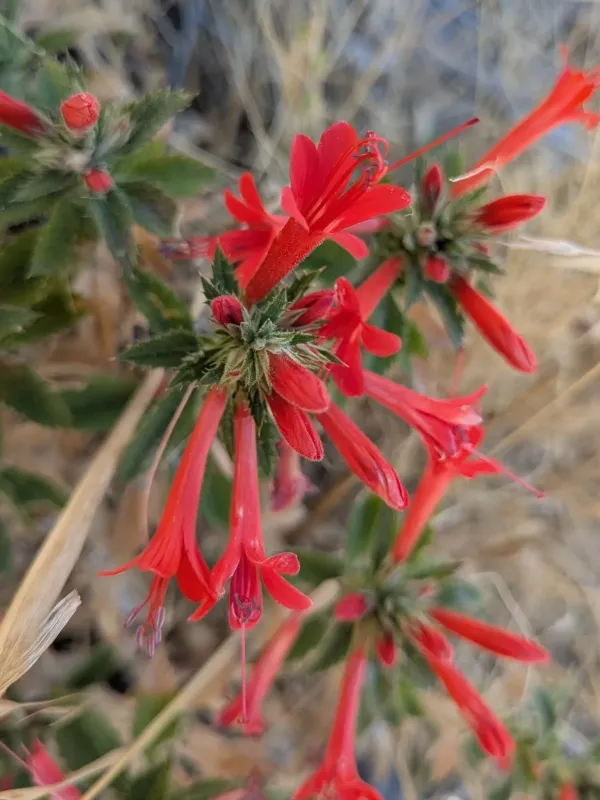
Description
Sowing dates
Loeselia mexicana is a perennial shrub belonging to the Polemoniaceae family, known for its specific medicinal properties and ornamental value. Propagation is primarily carried out via seeds, which are sown in specialized trays during late winter.
The seeds require a well-draining, sterile growing medium to ensure successful germination. It is recommended to maintain a light, sandy substrate to prevent fungal infections that often affect young seedlings.
Germination typically occurs under warm conditions with adequate light exposure, as the seeds benefit from natural light during the initial development phase. Consistent moisture levels must be maintained without causing waterlogging.
Seedlings should be thinned or transplanted once they develop at least two sets of true leaves. This promotes stronger root development and prepares the plants for transition to the field environment.
Hardening off the seedlings is a crucial step before outdoor transplantation to help them adjust to fluctuating ambient temperatures and solar radiation levels.
Growing requirements
Loeselia mexicana thrives in sunny environments, reflecting its native habitat in the mountainous regions of Mexico. It requires high light intensity to promote dense growth and profuse flowering during the active season.
Regarding soil preferences, the plant demands excellent drainage. Loam or sandy-loam soils with a neutral pH are ideal for cultivating this species successfully in a controlled agricultural setting.
Watering management is essential; while the plant is somewhat drought-tolerant, it requires consistent moisture during its vegetative growth phase. Overwatering must be strictly avoided to prevent root rot.
Temperature management is vital, as the species is sensitive to extreme frost. In temperate zones, it is often grown as an annual crop or kept in protected conditions during the cold winter months.
Nutrient requirements are moderate, with balanced fertilization applied early in the season to support canopy development and essential oil accumulation in the leaves.
Main diseases and pests
Like many plants in the Polemoniaceae family, Loeselia mexicana can be susceptible to various soil-borne pathogens if drainage is inadequate. Root rot (Phytophthora) is the primary threat during periods of excessive rainfall.
Foliar diseases such as powdery mildew may occur if planting density is too high, preventing proper air circulation between plants. Regular monitoring of leaf health is recommended during humid weather conditions.
Typical insect pests include aphids and spider mites, which can thrive in dry, stressed conditions. Integrated pest management strategies, including the use of neem oil or biological controls, are effective.
Weed competition should be minimized through mulching or regular cultivation to ensure the crop has access to sufficient nutrients and sunlight throughout the season.
Strict hygiene protocols, including the removal of infected plant debris, are necessary to prevent the buildup of pathogens in the field over consecutive growing seasons.
Harvesting
Harvesting usually involves collecting the leaves and stems during the peak flowering stage. This timing ensures that the concentration of secondary metabolites, which give the plant its medicinal value, is at its maximum.
The material should be harvested using clean, sharp tools to avoid damaging the plant structure. Harvesting in the morning, after the dew has evaporated but before the heat of the day, is ideal.
Post-harvest processing involves rapid drying in a shaded, well-ventilated area. This prevents the degradation of active compounds and helps maintain the natural color and quality of the raw material.
Once dried, the herbal material should be packaged in airtight containers and stored in a cool, dark environment to extend its shelf life. Quality checks should be performed periodically.
Proper sustainable harvesting practices involve leaving a sufficient portion of the plant biomass intact to allow for continued growth and potential harvest in subsequent cycles.