
Loeselia ciliata
Loeselia ciliata
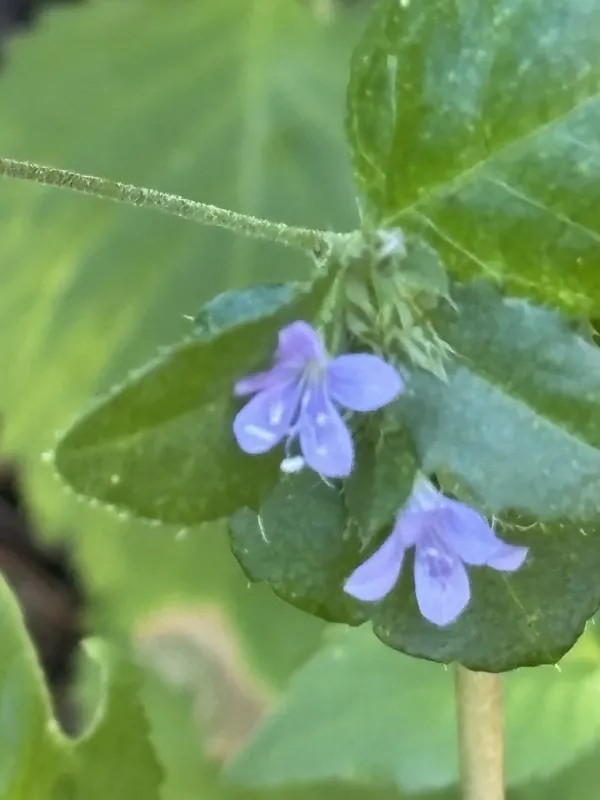
Description
Sowing dates
Loeselia ciliata belongs to the Polemoniaceae family. It is an herbaceous plant native to Central America, particularly Mexico, where it thrives in arid, sunny, and open habitats.
Sowing should begin in late winter or early spring in a controlled greenhouse environment to ensure a sufficiently long growing season before the final planting out.
The seeds are small and require a light, well-draining seed-starting mix. They should be sown on the surface and barely covered with fine substrate to allow light, which is crucial for germination.
Maintaining a stable temperature of approximately +20°C to +22°C is essential. Humidity must be kept high through misting or by using a clear cover until the first true leaves emerge.
Seedlings should be acclimated to outdoor conditions gradually. Planting into the final location should only occur once the risk of night frost has completely passed.
Growing requirements
The plant requires well-drained, sandy-loam soil with a slightly acidic to neutral pH. Excessive moisture in the soil is highly detrimental and can lead to rapid root decay.
Loeselia ciliata is a heliophilic species, meaning it demands significant exposure to direct sunlight to flourish. Partial shade will result in spindly growth and poor flowering.
The optimal temperature range is between +20°C and +28°C. While the plant can tolerate short periods of heat, it struggles in extreme humidity combined with low light.
Watering practices must be disciplined. Always allow the top third of the soil to dry out between watering sessions to ensure the root system receives adequate oxygen.
Low-concentration balanced liquid fertilizers applied during the peak growing season will help support the plant's metabolic processes and floral output.
Yield
The yield of Loeselia ciliata is primarily measured in terms of flower density and seed quality. The plant's decorative success depends on the total number of blooming stalks produced per plant.
Proper spacing is vital for yield; crowding the plants inhibits air circulation and reduces the photosynthetic surface area, leading to lower overall plant productivity.
Harvesting seeds requires precision. Since the seed pods split open naturally when mature, they should be collected just as they turn brown but before they release their contents.
Consistent deadheading can boost yield by preventing seed formation early in the season, which encourages the plant to put more energy into creating fresh flower buds.
In optimal conditions, the plant can produce a continuous display of flowers, providing reliable performance throughout the growing season until the onset of autumn chill.
Main diseases and pests
Spider mites are the most frequent pests, particularly in dry and poorly ventilated areas. Regular washing of foliage and monitoring for webbing can prevent major infestations.
Fungal pathogens such as gray mold (Botrytis) can affect the plant if the foliage remains wet for extended periods, especially during cool and humid weather patterns.
Ensuring proper spacing between plants is the most effective cultural practice to prevent the spread of diseases and to maintain a healthy microclimate.
Root rot is a common threat caused by soil compaction or overwatering. Using perlite or coarse sand in the potting mix helps to improve aeration and mitigate this risk.
Integrated pest management, including the use of neem oil or insecticidal soaps, is recommended to control pests without harming the plant's delicate tissues.