
Ceratonia siliqua
Ceratonia siliqua L.
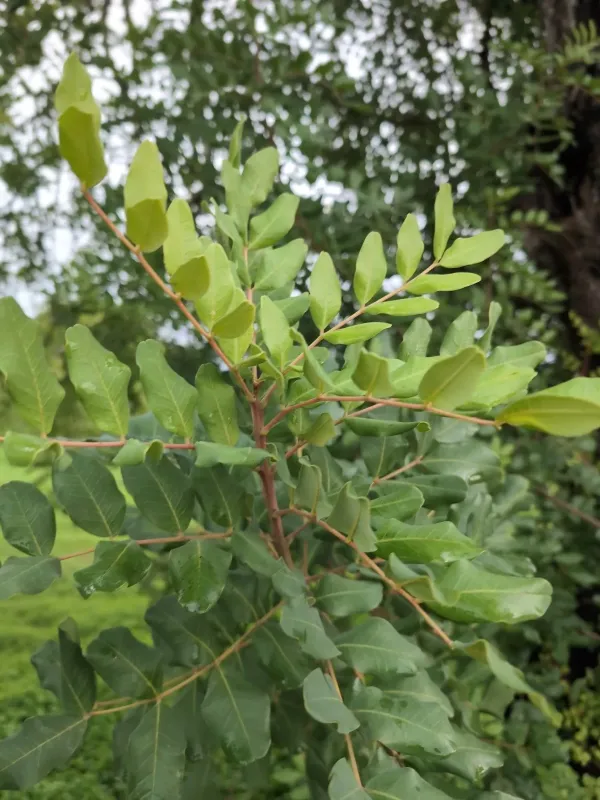
Description
Sowing dates
Propagation of Ceratonia siliqua usually begins with seed germination, which requires mechanical scarification due to the extremely hard and impermeable seed coat.
Sowing should take place in late spring once the soil temperature is consistently above 20 degrees Celsius, facilitating a uniform and reliable germination process.
Commercial plantations increasingly rely on grafting selected cultivars onto seedling rootstocks, which ensures the consistency of yield, pod quality, and tree characteristics.
Young seedlings should be transplanted into the field when they are 1-2 years old, maintaining a spacing of 8 to 10 meters to accommodate the tree's broad canopy.
The planting process requires deep digging to ensure the taproot can penetrate the soil without restriction, which is critical for the long-term vigor of the tree.
Growing requirements
The carob tree is a quintessential Mediterranean crop that thrives in regions with hot, dry summers and mild winters, showing tolerance to temperatures as low as -7 degrees Celsius.
Known for its exceptional drought resistance, the tree possesses a deep root system that allows it to flourish in semi-arid environments where other fruit crops would fail.
It prefers well-drained, lime-rich soils and is highly intolerant of waterlogging, which quickly leads to root rot and other fatal physiological issues.
The plant demonstrates high tolerance to saline soils, making it an excellent candidate for agricultural land that might be unsuitable for more sensitive crops.
Optimal growth is achieved in sunny locations protected from strong winds, as the trees require significant solar radiation to mature their fruit effectively.
Yield
The tree enters its productive phase relatively late, usually around 7 to 10 years after planting, depending on whether it was grown from seed or grafted.
Mature specimens can yield between 50 and 150 kilograms of pods annually, although yields are subject to significant fluctuation based on water availability and soil fertility.
Carob trees often exhibit alternate bearing, where a high-yield year is followed by a lower-yield cycle, a tendency that can be managed through precise nutrient application.
The pods are a valuable commodity containing high concentrations of sugars and locust bean gum, the latter being a highly sought-after additive in the food industry.
Implementing precision irrigation techniques can significantly stabilize annual production and increase the economic viability of commercial carob groves.
Main diseases and pests
The carob moth (Myelois ceratoniae) is the most significant pest, with larvae causing extensive damage to ripening pods, drastically reducing their commercial market value.
Phytophthora root rot is a common fungal threat, typically occurring in orchards with poor drainage or excessive soil moisture levels during the winter months.
Bacterial canker can invade the tree through physical wounds; therefore, pruning activities must be handled with care using sanitized tools to minimize risk.
Leaf spot diseases can occur in humid climates, often requiring a preventive fungicide program to ensure the tree maintains healthy foliage for optimal photosynthesis.
Good agricultural practices, such as removing fallen fruit and maintaining proper air circulation through pruning, are essential for managing common pest populations.
Harvesting
Harvesting usually occurs in late summer or early autumn when the pods have turned a deep brown color and reached their peak sugar content and dryness.
The pods are typically harvested by gently shaking the branches and allowing them to fall onto nets spread on the ground to prevent damage from the soil surface.
Care must be taken not to damage the fruiting wood, as the tree bears fruit on older branches, and injury can impact the potential harvest for the following year.
After collection, the pods must be thoroughly dried in the sun or specialized industrial dryers to lower moisture content and prevent microbial growth.
Cleaned and dried pods should be stored in dry, cool, and well-ventilated areas to protect them from infestation and ensure long-term shelf life.