
Lithophila muscoides
Lithophila muscoides
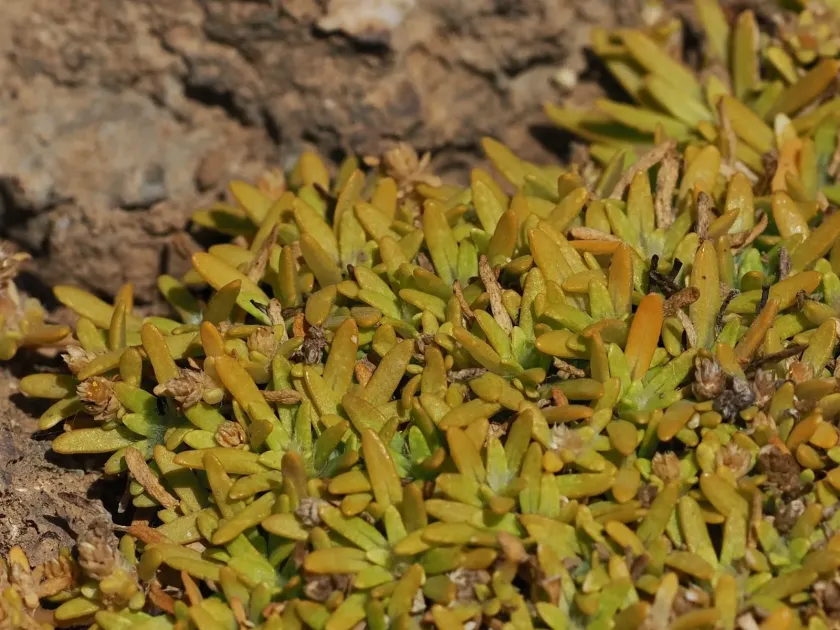
Description
Growing requirements
Lithophila muscoides is a perennial herbaceous plant belonging to the Amaranthaceae family. It is recognized for its ability to thrive in harsh, nutrient-poor environments, often displaying succulent traits that support its survival in specialized habitats.
The native range of this species is primarily focused on the Caribbean region, including Cuba and various islands in the West Indies. It is typically found in limestone crevices and coastal areas, demonstrating a high tolerance for salinity and intense solar radiation.
The botanical architecture of Lithophila muscoides involves a dense, moss-like growth habit, which allows it to trap moisture and stabilize itself against winds. Its leaves are usually small and pubescent, serving as a functional barrier against transpiration in hot conditions.
From an agrotechnical perspective, successful cultivation requires a substrate with excellent drainage, such as a coarse mix of grit, perlite, and lean soil. Over-watering is the primary risk, as the roots are highly susceptible to rot in waterlogged conditions.
The plant has niche applications in xeriscaping and sustainable landscape gardening. Furthermore, it is a subject of academic interest for researchers studying the genetic mechanisms of salt tolerance and drought resistance in tropical plant species.