
Lithomyrtus obtusa
Lithomyrtus obtusa
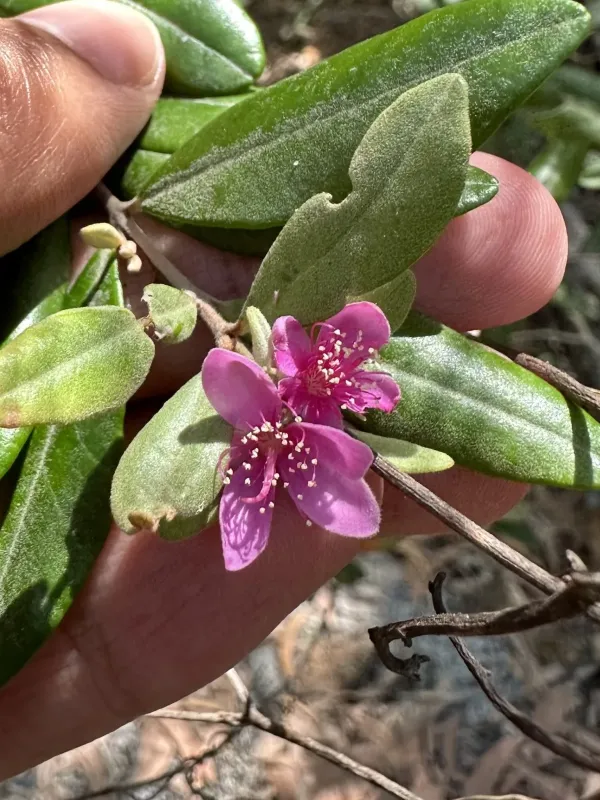
Description
Growing requirements
Lithomyrtus obtusa is a perennial shrub belonging to the Myrtaceae family. It is native to the tropical and subtropical regions of Australia, where it thrives in diverse environments, from coastal areas to inland woodlands.
This species is highly adapted to sandy, nutrient-poor, and well-drained soils. In an agricultural or horticultural setting, it is essential to mimic these conditions to prevent root issues caused by waterlogging.
The plant requires full sun exposure to maintain its compact growth form and to encourage healthy foliage development. It is characterized by small, leathery leaves with a distinct essential oil content that aids in moisture retention.
Climatic requirements focus on warm temperatures throughout the year. While the shrub is drought-tolerant once established, supplemental irrigation is recommended during the early growth stages to maximize biomass production.
Botanical architecture includes a dense branching pattern and small, white to creamy flowers that exhibit the characteristic fluffy appearance typical of the Myrtaceae family, making it an excellent candidate for specialized cultivation.
Main diseases and pests
The primary threats to Lithomyrtus obtusa are root pathogens, specifically Phytophthora species, which thrive in poorly drained soil. Ensuring excellent drainage is the most effective preventative measure.
Common insect pests include scale insects and mealybugs. These organisms colonize the stems and undersides of leaves, causing yellowing and a general decline in the plant's health if not treated promptly.
Regular monitoring of the canopy is vital. Implementing an Integrated Pest Management (IPM) strategy, focusing on biological controls where possible, is highly effective for long-term health management.
Fungal leaf spots can occur during periods of prolonged high humidity. Improving air circulation around the plants through proper spacing and pruning helps to minimize these risks significantly.
Maintaining a clean weed-free environment around the base of the plant reduces competition and removes alternative hosts for various pests that could otherwise threaten the health of the crop.