
Lychee
Litchi chinensis Sonn.
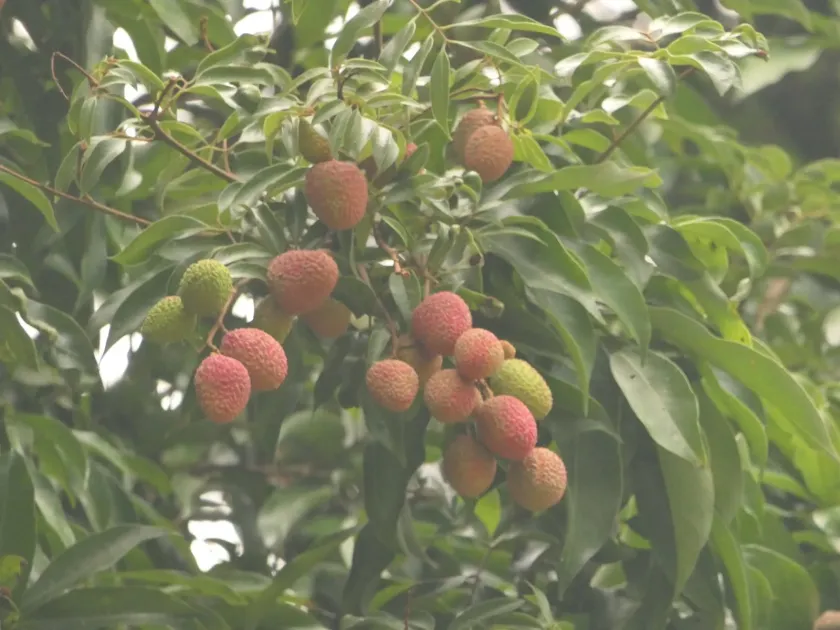
Description
Sowing dates
Lychee (Litchi chinensis Sonn.) is an evergreen tree belonging to the Sapindaceae family. In commercial cultivation, propagation is typically achieved through air layering (marcotting) or grafting, which ensures the genetic consistency of the selected high-quality varieties.
The ideal time for planting out is during the onset of the rainy season. This timing leverages natural moisture, which is critical for helping the root system establish itself before the arrival of harsher environmental conditions.
Young trees require a period of intensive care, including shading and consistent irrigation during their first two years. During this time, they are highly sensitive to extreme heat and desiccating winds.
Spacing depends on the variety and management style, typically ranging from 7 to 10 meters between trees to allow for adequate canopy spread and light penetration. High-density planting is rarely recommended due to the tree's natural tendency to grow wide.
Before planting, the soil should be prepared with adequate organic matter to ensure fertility. Proper drainage is the most critical factor in site selection, as the trees cannot withstand waterlogged roots.
Growing requirements
Lychee thrives in tropical and subtropical climates, requiring a distinct seasonal variation. The tree needs a cool, dry period to trigger flower bud initiation, followed by a warm, humid season for fruit development and maturation.
Soil requirements include a deep, well-drained loamy texture with a pH level between 5.5 and 6.5. Soils that are too alkaline often cause micro-nutrient deficiencies, particularly iron deficiency, leading to severe chlorosis.
Water management is crucial. While the trees need abundant water during the fruit-filling stage, they must be kept relatively dry during the cool dormancy period to ensure that the tree shifts from vegetative growth to reproductive development.
Protection from wind is essential as the branches are somewhat brittle. Shelterbelts are commonly used in large-scale orchards to protect the canopy from mechanical damage and to reduce the rate of transpiration during dry spells.
Sufficient sunlight is required for high-quality fruit production. Partial shading may be beneficial for very young plants, but mature trees require full sun for consistent annual yields.
Yield
A healthy, mature lychee tree can yield anywhere from 50 to 150 kilograms of fruit per harvest, depending on the specific cultivar and management practices. Yields typically stabilize as the tree matures, usually after 10 years of age.
Harvesting is a manual process that involves cutting the fruit clusters when they have reached their peak color and sweetness. Timing is critical, as lychee fruit does not continue to ripen once detached from the tree.
Post-harvest handling is the most challenging aspect of lychee production. The fruit is highly perishable and prone to desiccation and browning. Immediate cooling to near-zero temperatures is standard practice to preserve the skin's bright color.
Management of the biennial bearing habit, where some trees produce heavy crops one year and very little the next, is a common goal for growers. This is often managed through careful pruning and nutrient application.
Quality control at harvest includes checking for skin firmness and sweetness levels. High sugar content is the primary indicator of a successful, well-managed crop.
Main diseases and pests
The most significant pest is the lychee erinose mite (Aceria litchi), which causes leaf deformity and internal tissue damage, effectively reducing the photosynthetic surface of the tree. Effective control requires systemic miticides applied at the correct growth stages.
Anthracnose and other fungal diseases, such as leaf blight and fruit rot, pose major risks in humid regions. These are primarily managed through fungicides and by pruning to ensure good airflow within the canopy.
Fruit borers and various moth species can cause significant damage to the fruit, rendering them unsellable. Integrated Pest Management (IPM) is increasingly used to monitor these populations before they impact the harvest.
Maintaining orchard hygiene is essential. Removing fallen leaves and infected branches reduces the inoculum load for the next season. Regular equipment cleaning is also mandatory to prevent cross-contamination.
- Use of certified disease-free planting stock.
- Strategic pruning for light and air circulation.
- Balanced fertilization programs to strengthen tree immunity.