
Siberian iris
Limniris
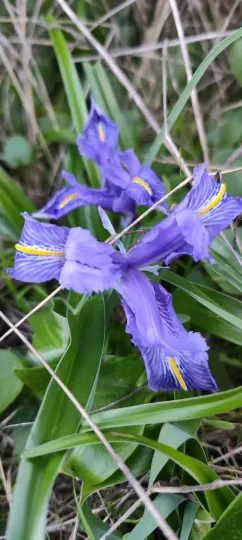
Description
Sowing dates
The planting of Limniris is most successful when performed in early spring or late summer, allowing the rhizomes to establish a root system before the onset of extreme temperatures.
When planting, it is essential to ensure adequate spacing, typically between 45 and 60 centimeters, to facilitate healthy growth and minimize the competition for nutrients.
Propagation through rhizome division should be carried out carefully, ensuring that each segment contains a healthy fan of leaves and a sufficient portion of the root mass for rapid regeneration.
If utilizing seeds, they must undergo a cold stratification period to break dormancy, a process that mimics natural winter conditions and significantly increases germination rates.
Proper depth is critical for successful planting; burying the rhizomes too deep can lead to suffocation of the buds, while planting too shallow risks dehydration and damage from fluctuating ground temperatures.
Growing requirements
As a member of the Iridaceae family, the Siberian iris thrives in cool-temperate climates and is well-adapted to moisture-retentive soils that are rich in organic matter.
Unlike many other iris varieties, Limniris performs exceptionally well in slightly acidic to neutral soil environments and can tolerate heavier clay soils if they provide consistent hydration.
The plant requires full sun to partial shade; while it adapts to lower light levels, maximum blooming is achieved in locations receiving a minimum of six hours of direct sunlight.
Nutrient management is straightforward, with a balanced fertilizer application in the early spring providing the necessary energy for vigorous leaf development and floral initiation.
Mulching is a standard agronomic practice for this crop, as it stabilizes soil temperature and suppresses weed growth, which is vital for the long-term health of the root system.
Main diseases and pests
Bacterial soft rot is the primary pathological threat, particularly in poorly drained soils where stagnant water creates an anaerobic environment favorable for bacterial colonization of the rhizomes.
Iris borers are significant insect pests that tunnel into the leaves and rhizomes, causing structural damage that serves as an entry point for secondary fungal and bacterial infections.
Fungal leaf spot diseases, such as heterosporium, can cause widespread chlorosis and necrosis of the foliage, potentially leading to premature senescence if left untreated.
Integrated pest management strategies should include the removal of dead foliage in the fall, which significantly reduces the inoculum potential for fungal spores to overwinter.
Monitoring for sucking insects during the early growth stages is essential, as these pests can transmit viral diseases that significantly impact the vitality and aesthetic quality of the crop.