
Limnanthes alba
Limnanthes alba Hartw. ex Benth.
Description
Sowing dates
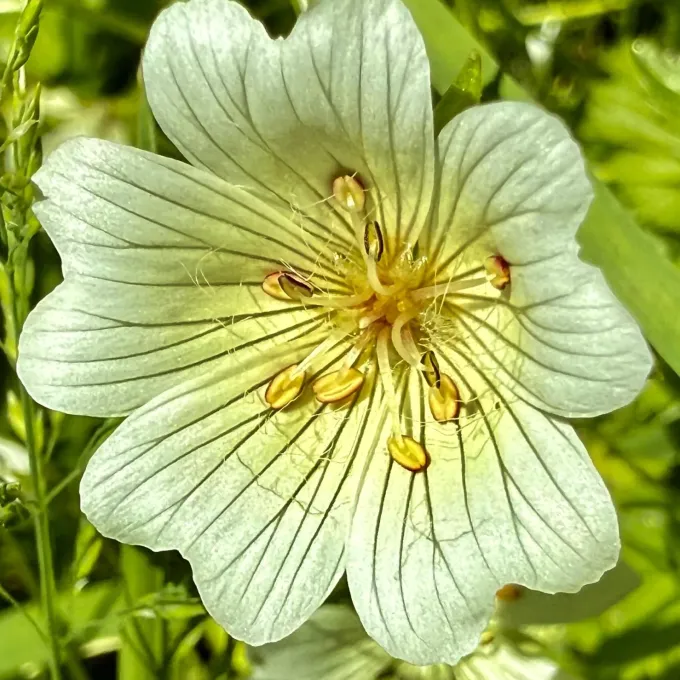
Limnanthes alba, commonly known as meadowfoam, is an annual herbaceous plant belonging to the Limnanthaceae family. The plant gets its nickname from the appearance of its dense, white, foamy flowers that cover fields during the spring bloom.
In commercial agriculture, seeding is typically carried out in the autumn in regions with mild winters, as the plant can successfully overwinter in its rosette stage. Spring sowing is an alternative, though it may result in lower vegetative biomass compared to winter crops.
For optimal germination, seeds require consistent moisture levels and cool temperatures. Seeds should be planted at a shallow depth of approximately 1–2 centimeters, ensuring sufficient soil contact for stable emergence and uniform growth.
Standard agronomic practice involves row seeding with a spacing of 15–20 centimeters. This arrangement allows for proper plant tillering and ensures that each plant has adequate space to maximize its yield potential.
While the plant is highly adaptable, it thrives best in structured loamy soils rich in organic matter. Growers should avoid areas prone to waterlogging, as standing water can lead to root system decay during critical growth phases.
Growing requirements
Meadowfoam is a cool-season crop that requires moderate temperatures to properly develop its reproductive organs. Excessive heat during the seed-filling period can significantly reduce oil quality and overall seed yields.
The soil should have a neutral to slightly acidic pH to promote the best results. Significant fluctuations in soil acidity can hinder nutrient uptake, leading to stunted plant growth during the early vegetative stages.
Nitrogen fertilization must be carefully balanced; while it promotes growth, excessive nitrogen can cause the plants to lodge (fall over). Lodging creates major difficulties during mechanized harvesting, leading to potential yield losses.
The crop serves as a beneficial participant in crop rotation due to its ability to improve topsoil structure. However, meadowfoam is not highly competitive with weeds in its early growth stages, so diligent field preparation is required.
High sunlight exposure is crucial for the accumulation of lipids in the seeds. The plant performs best in open, unshaded areas where it can receive maximum solar radiation throughout the entire growing season.
Yield
The primary economic value of Limnanthes alba lies in its seeds, which contain up to 30% of a highly stable oil. Success in yield depends heavily on planting density and effective insect-mediated pollination.
Under optimal commercial conditions, yields range from 1 to 2 metric tons per hectare. These figures fluctuate based on the specific climatic conditions during the flowering period and strict adherence to technical crop management.
Meadowfoam oil is highly prized in the cosmetic industry for its remarkable oxidative stability. It is a key ingredient in luxury skin and hair care products due to its unique long-chain fatty acid profile.
Seed cake, a byproduct of oil extraction, can be repurposed as a protein-rich feed supplement for livestock after appropriate processing. This ensures full utilization of the crop, enhancing overall economic viability.
Modern breeding programs are focused on developing varieties with improved resistance to seed shattering. Optimizing the timing of harvest remains the most significant factor in minimizing field losses.
Main diseases and pests
Limnanthes alba is relatively resistant to most major agricultural pests, which helps keep chemical inputs low. However, high humidity can occasionally lead to root rot if soil drainage is inadequate.
Slugs and snails can pose a significant threat to young seedlings during wet spring weather. These pests are capable of destroying large sections of a field early on, necessitating proactive monitoring and localized control measures.
Powdery mildew may affect the foliage if the crop is planted too densely or if there is insufficient airflow. Regular field inspections and adequate spacing help to mitigate the risk of fungal spread.
Aphids may occasionally colonize the flower stalks during the bloom phase. While economic damage is typically minimal, threshold-based insecticidal treatment may be necessary during years of extreme infestation.
Adhering to a strict crop rotation cycle is the best defense against soil-borne pathogens. It is generally recommended not to plant meadowfoam on the same field more than once every four years to maintain soil health.
Harvesting
Harvesting meadowfoam requires precision, as the seeds are prone to shattering if left on the field for too long. The process should begin as soon as the seeds turn brown and moisture levels drop to 10–12%.
Direct combining is the preferred harvesting method for varieties resistant to shattering. For other varieties, swathing the crop and allowing it to dry in rows before threshing can significantly reduce pre-harvest losses.
Post-harvest management involves rapid cleaning of the seeds and thorough drying. Proper storage at low moisture levels is essential to preserve the high quality and fatty acid composition of the oil.
Logistics are vital to ensure that seeds reach the processing plant quickly. Prompt processing prevents seed heating and degradation, ensuring a high yield of high-quality virgin oil during extraction.
Adjusting the combine harvester’s cylinder speed to a lower setting helps avoid mechanical damage to the seeds. Protecting the seed coat integrity is critical for achieving optimal oil extraction rates during industrial pressing.