
Lilaea
Lilaea
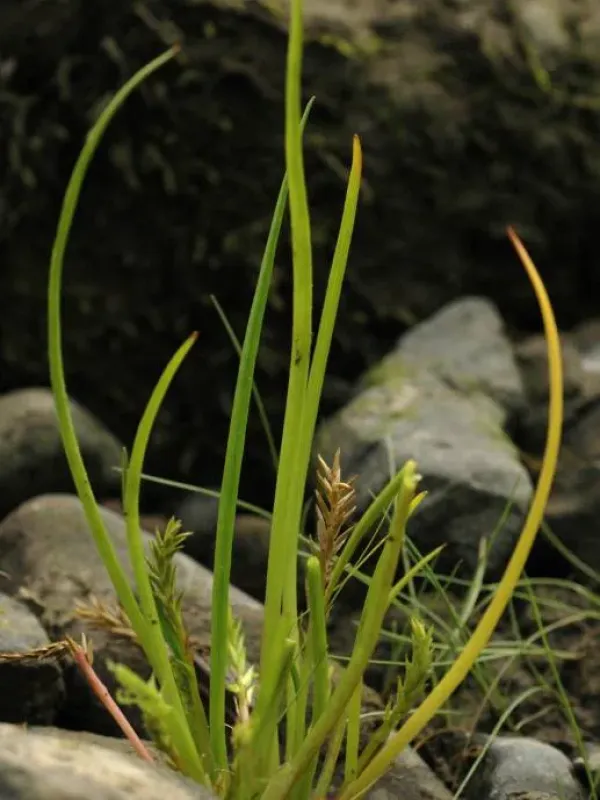
Description
Growing requirements
Lilaea (Lilaea scilloides) is a unique annual aquatic herb belonging to the family Juncaginaceae. It is a specialized hydrophyte, perfectly adapted to environments where water levels fluctuate significantly throughout the growing season.
The native range of Lilaea encompasses both North and South America. It is typically found in vernal pools, muddy shorelines, and wetlands, thriving in areas that are frequently saturated or inundated with shallow freshwater for the majority of the year.
Regarding climate requirements, this plant prefers temperate to subtropical environments with sufficient moisture levels. It relies on consistent environmental cues, such as the gradual drying of its habitat, to trigger the transition from vegetative growth to seed production.
Soil requirements for Lilaea include fine-textured, organic-rich substrates like silt or clay. These soil types are essential for providing the necessary nutrient pool and water retention capacity required to support its shallow, specialized root system.
In terms of agricultural and practical application, Lilaea is primarily of botanical and ecological interest. It serves as an indicator species for wetland health and can be utilized in managed environmental projects focused on restoring natural aquatic habitats and managing riparian zones.