
Leycesteria crocothyrsos
Leycesteria crocothyrsos
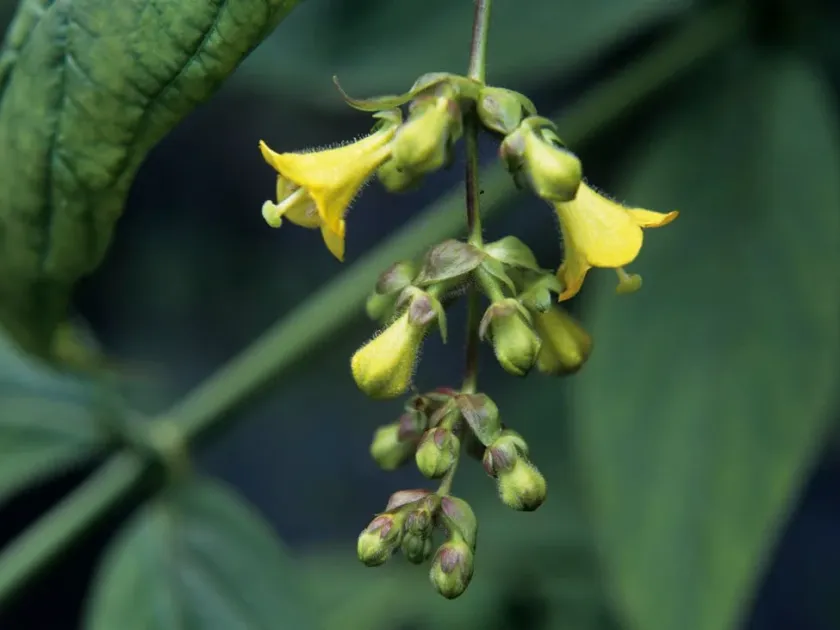
Description
Sowing dates
Propagation of Leycesteria crocothyrsos is primarily achieved through stem cuttings, which should be taken in late spring or early summer for best results.
When propagating from seeds, sow them in containers during early spring using a well-draining, high-quality, nutrient-rich potting substrate.
Seeds may benefit from a period of stratification to break dormancy, which significantly improves the germination rate and uniformity of the seedlings.
The optimal temperature for seed germination is between 18–20 degrees Celsius, ensuring the soil surface remains consistently moist throughout the process.
Young plants should be transplanted to their final location in the garden only after the danger of frost has completely passed for the season.
Growing requirements
This member of the Caprifoliaceae family thrives in partial shade, where it is sheltered from harsh direct sunlight and strong, damaging winds.
The shrub requires loose, fertile, and well-drained soil with a neutral to slightly acidic pH level to support robust root development and growth.
As a heat-loving plant, it requires protection during colder winter months and may need to be grown in containers in regions with severe winters.
Consistent watering is essential, but it is critical to ensure that water does not pool around the base of the plant to prevent root rot issues.
Applying balanced mineral fertilizers every three to four weeks during the growing season helps maintain the plant's ornamental appeal and vigor.
Main diseases and pests
The plant is susceptible to common pests such as aphids and spider mites, which can infest the tender shoots and foliage if left untreated.
Excessive humidity combined with poor air circulation can lead to the development of powdery mildew, affecting the aesthetic quality of the leaves.
Waterlogged soil conditions are a significant threat, often creating an environment conducive to root rot pathogens that can quickly damage the plant.
In moist environments, snails and slugs may graze on the lower leaves, necessitating protective measures to maintain the foliage's integrity.
Integrated pest management, including regular inspection and the use of appropriate fungicides or insecticides, is key to keeping the shrub healthy.
Harvesting
Since Leycesteria crocothyrsos is an ornamental species, it is not harvested for agricultural consumption in the traditional commercial sense.
The primary use of this plant is for landscape design, where it is valued for its unique inflorescences and structural growth in exotic gardens.
The plant reaches its peak ornamental value during the flowering period, characterized by long, pendulous inflorescences with distinctive yellow bracts.
Annual pruning should be performed after the growing season to shape the shrub, remove dead wood, and prepare the plant for the upcoming winter.
If seeds are required for propagation, they should be harvested only after the fruit has fully matured and achieved its characteristic dark coloration.