
Leucothrinax morrisii
Leucothrinax morrisii
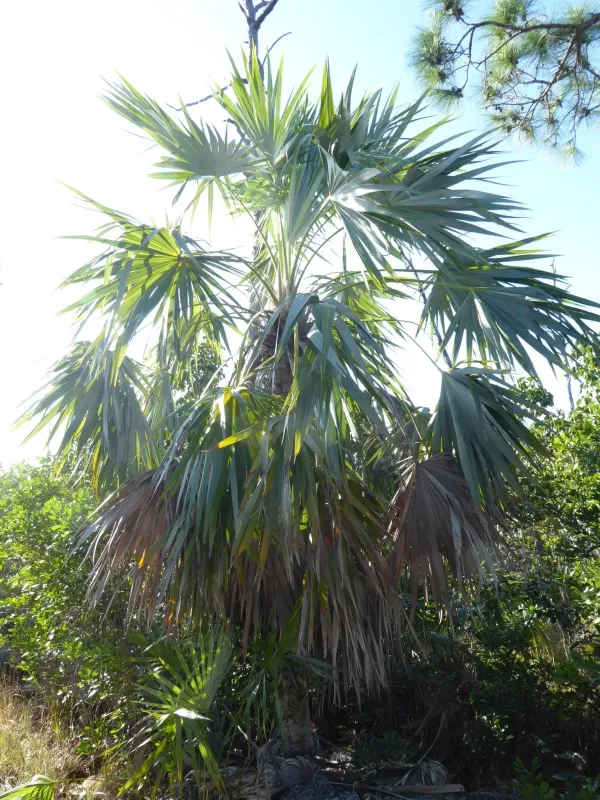
Description
Growing requirements
Leucothrinax morrisii is a distinctive member of the Arecaceae family, characterized by its fan-shaped leaves and slow growth rate. Originally from the Caribbean, particularly Cuba and the Bahamas, it is highly adapted to nutrient-poor, rocky, and limestone-rich soils.
In cultivation, the primary requirement is a highly porous, well-draining substrate. Using a mix with limestone chips or coarse perlite is recommended to replicate its natural habitat and prevent the water accumulation that this species despises.
Light intensity is critical for the healthy development of this palm. It thrives in full sunlight and requires as much bright, indirect or direct light as possible to maintain its characteristic structure and vibrant foliage color throughout the growing season.
Temperature management should prioritize consistency. Leucothrinax morrisii is not frost-tolerant and requires protection from temperatures below 10-12 degrees Celsius. It performs best in stable, warm environments with excellent airflow around the foliage.
Watering practices must be disciplined. While the plant can tolerate short periods of dryness, it should not be kept waterlogged. The root system is extremely susceptible to decay if the growing medium remains saturated for extended periods, especially during winter.
Main diseases and pests
The most significant threat to the health of this palm is root rot, resulting from improper drainage or excessive irrigation. It is essential to monitor soil moisture to ensure the roots remain oxygenated and healthy at all times.
Mealybugs are common pests that target the base of the petioles and the crown of the palm. Their feeding can cause wilting and yellowing of the leaves, requiring early intervention with horticultural oils or specific insecticidal soaps.
Scale insects represent another challenge for Leucothrinax morrisii. These pests attach themselves to the undersides of leaves and stems, sucking nutrients and weakening the plant, often leading to secondary fungal infections due to their sugary honeydew secretions.
High humidity combined with poor ventilation creates an environment conducive to fungal spot diseases. Proper spacing between plants and the use of oscillating fans can significantly reduce the risk of such pathogens taking hold on the foliage.
Regular monitoring of the palm crown is advisable, as this is where pest infestations typically begin. Early detection allows for targeted treatment without the need for heavy chemical intervention, preserving the aesthetic value of the specimen.