
Lessingia glandulifera
Lessingia glandulifera
Description
Growing requirements
Lessingia glandulifera, commonly known as valley lessingia, is an annual forb belonging to the Asteraceae family. It is indigenous to the western United States, particularly within the diverse ecosystems of California, where it thrives in sandy and well-drained soils.
The plant is distinguished by the presence of glandular hairs on its foliage and stems, a feature that provides protection against desiccation. This adaptation allows the species to persist in hot, dry climates where moisture availability is often limited during the peak growing season.
The cultivation of this plant requires specific environmental conditions, primarily full sun exposure and poor, sandy, or gravelly soils. It is naturally adapted to Mediterranean climates and does not tolerate high humidity or waterlogged soil conditions, which can lead to rapid root decay.
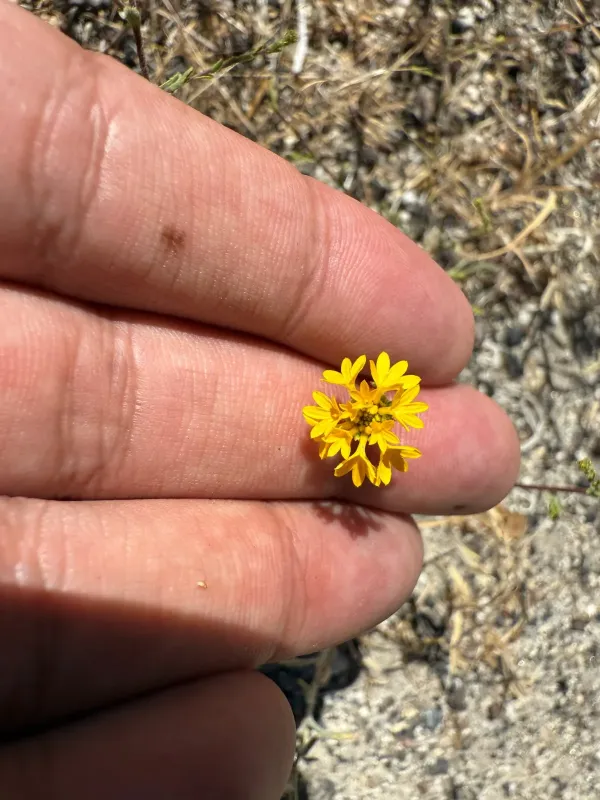
Botanically, it produces clusters of flowering heads that bloom from late spring through summer. The life cycle is strictly annual, meaning the plant relies entirely on its seed bank to ensure population renewal in the following growing season, making seed dispersal a critical stage of its biology.
While Lessingia glandulifera is not a conventional agricultural crop, it holds potential for xeriscaping and native habitat restoration projects. Its ability to survive in nutrient-poor soils makes it an interesting subject for studies on low-input landscape management and environmental adaptation.