
Leptosiphon grandiflorus
Leptosiphon grandiflorus
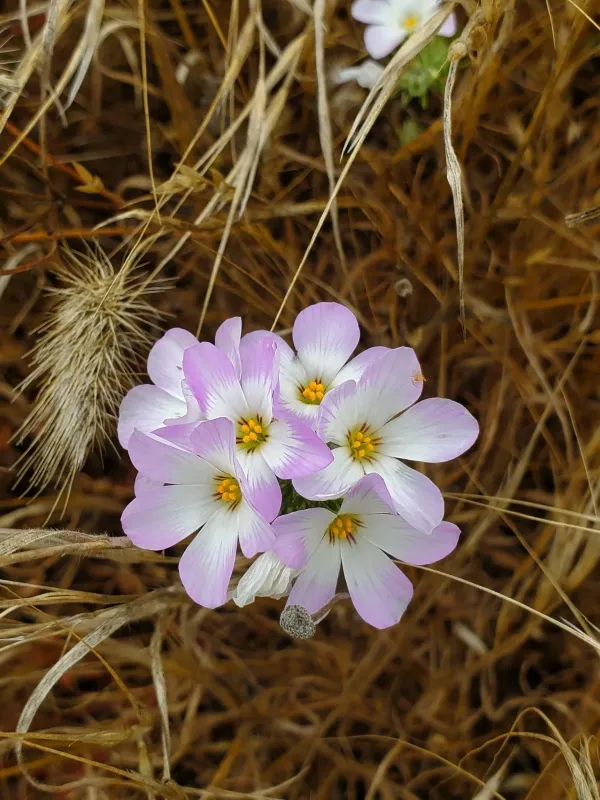
Description
Sowing dates
Leptosiphon grandiflorus is an annual ornamental crop that is typically propagated by seeds sown directly into the soil or started in seedling trays indoors.
Direct sowing in the field is performed in late spring once the danger of frost has passed, as the plant is sensitive to cold temperatures during early development.
When starting indoors, seeds should be sown in March in a light, sterile medium, ensuring they are not covered deeply because they require light to germinate effectively.
Seedlings should be thinned or spaced at approximately 15–20 centimeters apart to allow for proper airflow and to prevent the development of moisture-related diseases.
Optimal germination occurs at temperatures between 18 and 20 degrees Celsius, which encourages robust growth and helps in the formation of a strong root system before transplantation.
Growing requirements
Belonging to the Polemoniaceae family, this species is native to specific regions in North America and thrives in habitats that provide ample sunlight and well-drained soil.
The plant demands a full-sun location to produce its characteristic vibrant flowers, as insufficient light will result in leggy stems and poor blossom production.
In terms of soil composition, Leptosiphon grandiflorus prefers sandy or loamy textures with a neutral to slightly alkaline pH, which prevents water from pooling around the roots.
It is categorized as a drought-tolerant species once established, making it suitable for low-maintenance landscapes where water conservation is a priority for gardeners.
Strategic fertilization is advised; a balanced, low-nitrogen fertilizer applied sparingly during the pre-flowering stage can significantly enhance the quantity and size of blooms.
Main diseases and pests
The primary health risk for this plant is root rot, which occurs when the soil remains constantly saturated with water, causing rapid wilting and eventual plant death.
Fungal infections such as powdery mildew can affect the foliage during periods of high humidity, necessitating good spacing and occasional application of suitable fungicides.
Insect pests including aphids and spider mites are known to infest the plant, particularly in dry and hot conditions, where they sap nutrients from the succulent tissue.
Implementing integrated pest management practices, such as biological control or localized treatments, helps preserve the plant's aesthetic value throughout the growing season.
- Maintain proper irrigation levels to avoid soil waterlogging.
- Ensure adequate spacing between individual plants to promote good ventilation.
- Monitor the plants regularly for signs of mite or aphid infestations.