
Brown beetle grass
Leptochloa fusca
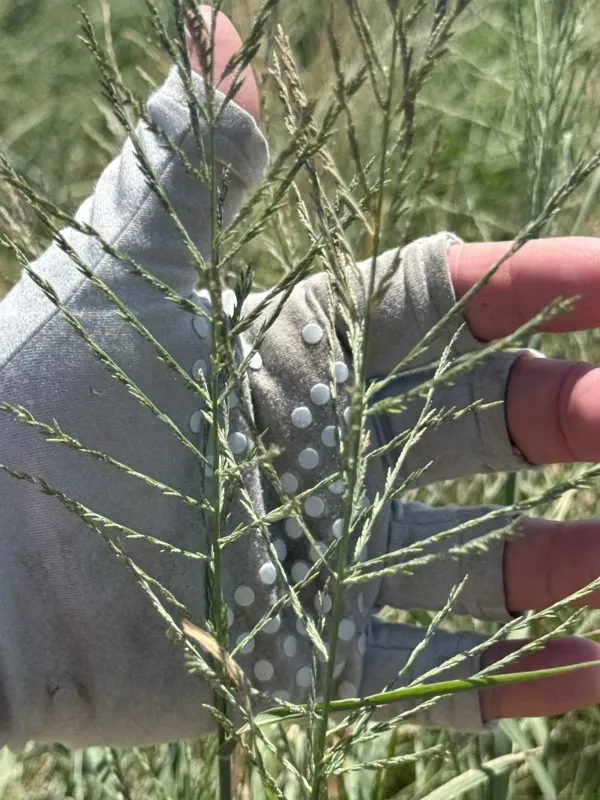
Description
Sowing dates
Sowing of Leptochloa fusca is optimally performed when soil temperatures consistently reach 15–20 degrees Celsius during spring months.
Proper seedbed preparation is essential, as the small size of the seeds requires shallow placement of approximately 1 to 2 centimeters depth.
Seed drills should be calibrated to ensure uniform distribution and density, which significantly enhances the establishment of a robust crop stand.
In arid climates, early spring sowing is preferred to capture residual soil moisture, providing the plants with a critical head start.
Establishing the crop during favorable moisture conditions reduces the need for supplemental irrigation in the early growth stages.
Growing requirements
Leptochloa fusca, belonging to the Poaceae family, is renowned for its exceptional adaptation to saline and sodic soil conditions.
The plant thrives in full sun exposure and is highly sensitive to shading, which can drastically reduce its biomass production.
It demonstrates remarkable tolerance to periodic waterlogging, making it an ideal candidate for cultivation in riparian or flood-prone areas.
While adaptable to various soil types, loamy soils that provide good aeration remain the best environment for maximizing its physiological growth.
Its unique salt-secretion mechanisms allow it to maintain metabolic functions in environments where most traditional crops would fail.
Yield
This grass is primarily valued as a forage crop capable of producing high yields on marginal land unsuitable for conventional agriculture.
Biomass production can be substantial, often ranging from 20 to 30 tonnes of green matter per hectare under managed irrigation conditions.
Beyond its feed value, it plays a vital role in soil remediation by accumulating salts from the root zone, thus improving soil chemistry.
The nutritional profile of the hay is adequate for livestock, especially when harvested at the optimal growth stage before significant lignification.
Sustainable pasture management allows for multiple grazing or mowing cycles, ensuring a consistent supply of forage throughout the growing season.
Main diseases and pests
Rust fungi represent a primary disease threat, particularly during prolonged periods of high humidity and restricted airflow within the canopy.
Aphids and other common grass-feeding insects can cause significant localized damage, particularly in young, sensitive plant populations.
Root rot issues are predominantly linked to poor drainage and waterlogged conditions during cooler periods, stressing the root system.
Integrated pest management strategies focusing on crop rotation and monitoring are essential for maintaining long-term stand health.
Maintaining proper field hygiene and avoiding over-fertilization with nitrogen can help mitigate the risks of fungal proliferation.
Harvesting
Harvesting for high-quality hay must occur during the booting or early heading stage to optimize the balance between biomass and nutrient content.
Delaying harvest leads to significant decreases in protein levels and digestibility, as the stems become increasingly fibrous and coarse.
For grazing operations, rotational stocking is highly recommended to allow for plant recovery and to maintain the vigor of the root system.
Mechanical harvesting equipment should be set to an appropriate height to avoid damage to the base, which allows for faster regrowth after cutting.
Seed harvesting requires attention to moisture levels and timing, ensuring the grains are fully mature to maximize germination rates for future seasons.