
Leptochloa crinita
Leptochloa crinita (Lag.) P. M. Peterson & N. Snow
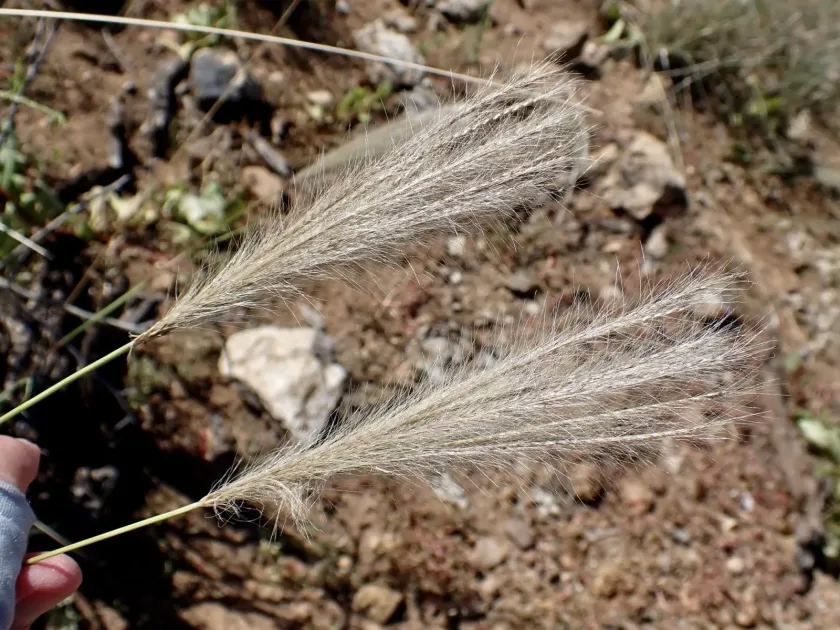
Description
Growing requirements
Leptochloa crinita is a perennial grass species belonging to the Poaceae family, known for its adaptability to challenging environmental conditions. It is primarily found in arid and semi-arid regions where its biological resilience allows it to thrive.
The plant exhibits a preference for well-drained soils, thriving in sandy and loamy conditions. One of its most significant agricultural advantages is its tolerance to mild soil salinity, allowing farmers to utilize land that is typically unsuitable for conventional grain crops.
Temperature requirements are critical for the successful growth of Leptochloa crinita. As a warm-season grass, it requires high temperatures to achieve optimal biomass production and is highly sensitive to frost, which limits its growing season to frost-free periods.
The root system of this species is highly developed, enabling the plant to access deep-seated soil moisture. This adaptation is essential for survival in environments with irregular rainfall patterns, ensuring consistent performance throughout the growing season.
Successful field establishment depends on selecting sites without stagnant water. Excessive moisture can lead to root rot and decrease the overall vigor of the stand, making site selection a key priority for growers intending to cultivate this species.
Harvesting
The primary agricultural use of Leptochloa crinita is as a forage resource for livestock. It is highly valued for both grazing and hay production, providing a reliable source of fiber and essential nutrients throughout the warm months of the year.
Harvesting for hay should be timed carefully to maximize nutritional content. Cutting before the stem tissue becomes lignified ensures a higher protein-to-fiber ratio, resulting in a more palatable and digestible feed for cattle, sheep, and other ruminants.
The species demonstrates excellent regrowth potential following harvest. Under favorable environmental conditions, multiple cuttings per season are achievable, which increases the total economic yield per hectare for producers managing the grass.
During grazing operations, a managed rotational approach is recommended to prevent overgrazing. This practice allows the plants to replenish their energy reserves in the roots, ensuring the longevity and productivity of the pasture stand over several years.
Beyond its forage value, Leptochloa crinita serves an important ecological role in soil conservation. By stabilizing the soil surface with its extensive root network, it effectively mitigates the risk of erosion in susceptible areas, promoting long-term land health.