
Leptochloa chinensis
Leptochloa chinensis (L.) Nees
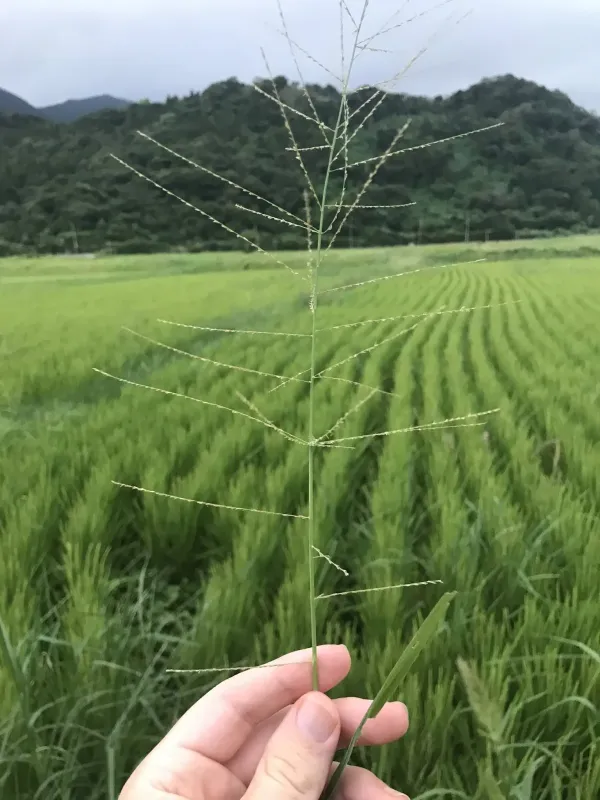
Description
Sowing dates
Leptochloa chinensis, commonly known as Chinese sprangletop, is a warm-season annual grass belonging to the Poaceae family. Sowing is typically initiated in late spring when soil temperatures reach 18-20°C, ensuring rapid germination.
Due to the small size of the seeds, they should be sown at a shallow depth of 1-2 centimeters. Proper seedbed preparation is essential to ensure good soil-to-seed contact, which promotes uniform emergence across the field.
The crop is highly responsive to favorable moisture conditions shortly after sowing. Adequate irrigation during the germination phase is critical for establishing a dense and healthy stand of the grass.
When cultivated for forage, seeding rates are adjusted based on soil fertility and irrigation capabilities. High-density sowing is often preferred to outcompete potential weeds in the early stages of the growth cycle.
In various regions, the plant shows strong natural regeneration capabilities, so strategic sowing plans are necessary to manage its growth cycle effectively within agricultural systems.
Growing requirements
Chinese sprangletop thrives in moist to wet environments, making it particularly well-adapted to areas with abundant rainfall or irrigated fields. It is known for its tolerance to prolonged waterlogging.
The plant prefers fertile loamy soils but shows remarkable adaptability to various soil types, provided that moisture levels remain high throughout the growing season. A neutral soil pH is ideal for nutrient uptake.
Warm temperatures are essential for the metabolic activities of Leptochloa chinensis. The plant exhibits its maximum growth rate during peak summer months when days are long and solar radiation is intense.
Nutrient management is vital, as the grass has a high demand for nitrogen to sustain its rapid biomass production. Regular application of fertilizers in split doses helps maintain vigorous growth until harvest.
Light availability is a primary factor influencing yield. As a heliophyte, the plant requires full sun exposure to maintain high photosynthetic rates and produce high-quality forage material.
Yield
Yield potential of Leptochloa chinensis is significant, especially when grown under intensive management practices. It can produce several cuts of high-quality green matter per season under proper irrigation.
The biomass quality peaks prior to the onset of flowering. Harvesting at the late vegetative stage maximizes protein content and digestibility, making it an excellent candidate for local livestock feeding programs.
While valuable as a forage crop, its status as a serious weed in rice production systems often necessitates careful management to prevent yield losses in the primary crop by up to 40% in severe infestations.
Seed production requires harvesting during the wax-ripening stage. Mechanical harvesters must be calibrated carefully to handle the small seeds and minimize shattering losses in the field during the process.
Future agricultural development focuses on utilizing its biomass for silage production and improving its overall nutritional profile to make it a more competitive feed option for sustainable farming.
Main diseases and pests
Leptochloa chinensis is generally resilient but susceptible to certain fungal pathogens, such as leaf rust and various leaf spot diseases, especially in dense, poorly ventilated stands with high humidity.
Pests such as stem borers and aphids can cause significant damage by feeding on the internal tissues, which hinders nutrient transport and weakens the overall structure of the grass plant.
Effective management includes integrated pest management (IPM) strategies, which prioritize regular scouting and the use of resistant varieties or biological control agents to minimize chemical inputs.
Crop rotation and proper drainage management are crucial cultural practices to reduce the pressure from soil-borne pathogens and moisture-loving pests that thrive in stagnant water conditions.
- Maintain appropriate stand density to improve airflow and reduce humidity.
- Use certified pest-free seeds to prevent the introduction of new diseases.
- Implement timely weeding to reduce habitat for common agricultural pests.
Harvesting
Harvesting for forage is recommended before the plant reaches full anthesis to preserve the nutritional density of the leaves and stems. This period ensures the most palatable feed for cattle and other herbivores.
Mowers with conditioning rollers are highly effective for this crop, as they crush the stems to speed up the drying process. This is essential for preventing spoilage and maintaining the quality of the harvested biomass.
Seed harvesting involves specialized equipment capable of handling small, lightweight seeds. Adjusting the fan speed on the combine is critical to ensure that seeds are recovered rather than blown away with the chaff.
Post-harvest processing involves cleaning the seeds to remove debris and drying them to a moisture content of around 12% for safe long-term storage in cool, dry environments.
By strictly following harvest protocols, farmers can ensure the longevity of their seed banks and the nutritional value of their forage reserves for the upcoming season.