
Leptocarydion vulpiastrum
Leptocarydion vulpiastrum
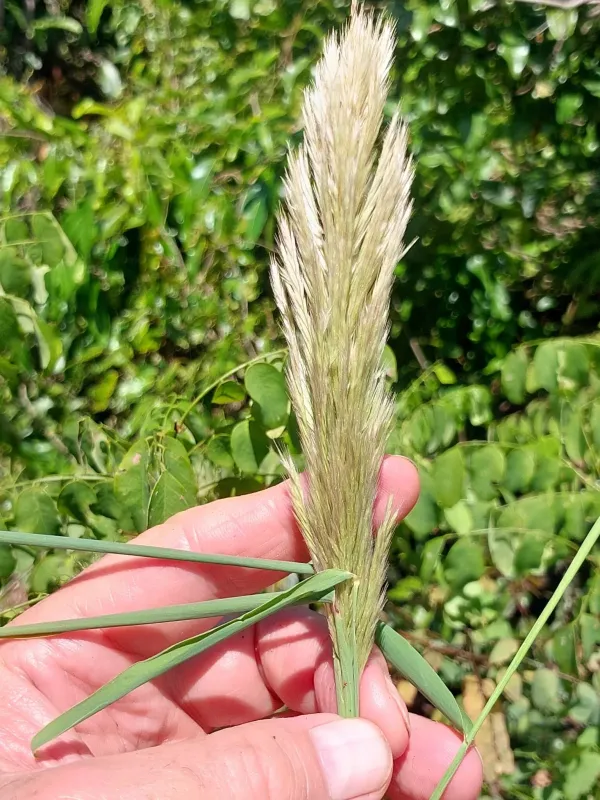
Description
Sowing dates
Leptocarydion vulpiastrum is typically sown at the onset of the rainy season to ensure optimal germination and establishment.
The seeds are small and should be sown at shallow depths to ensure they do not become buried too deep for successful emergence.
Broadcasting seeds onto prepared soil followed by light harrowing is a standard practice for establishing new forage areas.
The species is highly capable of natural reseeding, which helps maintain the stand density over multiple growing seasons.
Early moisture management is critical; consistent soil humidity during the first two weeks post-sowing significantly boosts success rates.
Growing requirements
This species belongs to the Poaceae family and is native to the tropical and subtropical regions of the African continent.
It thrives in well-drained soils, including sands and loamy soils, where other forage grasses might struggle to survive.
High drought tolerance makes it a preferred choice for arid and semi-arid environments with unpredictable rainfall patterns.
The plant requires full sun exposure and is not suited for areas with significant canopy cover or heavy shading from trees.
It is well-adapted to extreme temperature ranges, maintaining growth performance even during the hottest months of the year.
Yield
Yields of forage biomass are quite reliable, providing a consistent food source for livestock in challenging climates.
The nutritional profile is most favorable during the vegetative stage, encouraging livestock to graze while the plant is tender.
Rotation grazing strategies are recommended to maximize biomass production and prevent the exhaustion of root reserves.
While yields can be modest compared to intensive crops, the plant's resilience makes it a valuable asset in dry season management.
Minimal fertilization can lead to a substantial increase in output, though the plant is naturally adapted to grow on poorer soils.
Main diseases and pests
The primary threat to the longevity of the stand is overgrazing, which can severely deplete the plant's energy stores.
Generally, the plant displays high levels of resistance to most common fungal and bacterial pathogens affecting grasses.
Insect pests like grasshoppers can cause occasional defoliation, yet they rarely cause long-term damage to established stands.
Weed competition during the initial establishment phase is the main management concern for new pasture development.
Effective pasture monitoring is essential to ensure that the grazing intensity remains within sustainable limits.
Harvesting
Harvesting for hay should ideally occur before the stems turn woody to maximize the nutritional value and palatability of the forage.
The biomass dries quickly after cutting, which is a significant advantage in areas with limited infrastructure for drying.
Mechanized harvesting tools can be utilized to produce uniform bales for easier transport and storage during the dry season.
Seed collection is performed once the inflorescences turn straw-colored and begin to shed their mature seeds naturally.
Proper storage of harvested material requires dry, ventilated conditions to prevent mold and ensure the longevity of the forage.