
Leptobryum pyriforme
Leptobryum pyriforme
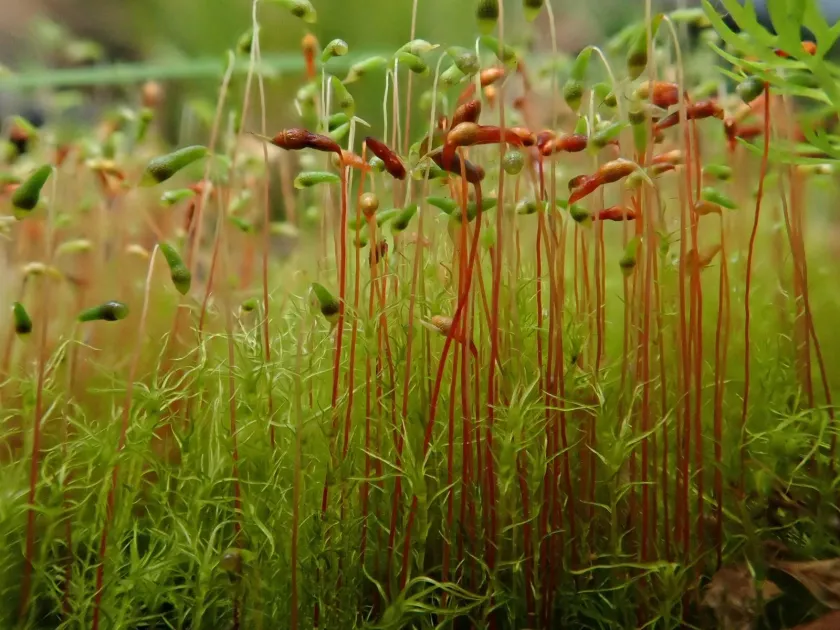
Description
Growing requirements
Leptobryum pyriforme is a species of moss belonging to the Bryaceae family. In the context of horticulture and greenhouse management, it is recognized as a opportunistic pioneer species that frequently colonizes container-grown substrates.
This moss is widely distributed throughout the world, occurring in almost all climate zones from arctic to tropical regions. It is characterized by its ability to thrive on diverse substrates, including sandy soils, greenhouse potting mixes, and disturbed anthropogenic sites.
The environmental requirements of Leptobryum pyriforme include consistent moisture and high relative humidity. It flourishes in well-lit environments, often appearing where the substrate remains damp for extended periods, providing an ideal niche for spore germination.
From an agrotechnical perspective, the presence of this moss acts as a bio-indicator of poor substrate management. It often suggests issues such as overwatering, compacted soil surfaces, or insufficient air circulation within the growing facility.
Effective management strategies focus on modifying the microclimate of the pots. Implementing precise irrigation systems and improving soil drainage are essential steps to inhibit the proliferation of this moss and ensure optimal development of the target crops.
Main diseases and pests
Leptobryum pyriforme is not significantly susceptible to typical agricultural pests or diseases. Its biological resilience stems from its simple cellular structure, which allows it to withstand various environmental stressors that would affect more complex plants.
In greenhouse operations, the main challenge is the competition for space and nutrients at the surface of the growing medium. While it does not directly parasitize crops, it can hinder the gas exchange between the roots and the atmosphere.
Chemical control is rarely effective because mosses are resistant to many conventional herbicides. Attempting to eradicate the moss with harsh chemicals may lead to toxicity in the cultivated plants, thus making physical and cultural methods superior.
Cultural control involves routine mechanical disturbance of the substrate surface. Regular cultivation or scratching the top layer of the potting mix disrupts the moss mat and effectively halts its vegetative growth cycle.
Maintaining a sterile and dry environment for the substrate surface is the most sustainable approach to long-term prevention. Monitoring the humidity levels ensures that the conditions remain unfavorable for colonization by wind-dispersed spores.