
Leptaspis zeylanica
Leptaspis zeylanica
Description
Growing requirements
Leptaspis zeylanica is a distinct perennial grass belonging to the Poaceae family. Native to the tropical forest regions of South and Southeast Asia, this species has evolved to thrive in the shaded understory, setting it apart from typical sun-loving savanna grasses.
To successfully cultivate this species, growers must replicate high-humidity forest conditions. It requires consistently moist, well-draining soil rich in organic matter, avoiding any exposure to drought which can quickly lead to leaf necrosis and plant decline.
The optimal growing temperature for Leptaspis zeylanica ranges between 22 and 28 degrees Celsius. Any fluctuation towards extreme cold or frost will severely damage the delicate foliage, making it suitable only for indoor conservatory or greenhouse management in non-tropical climates.
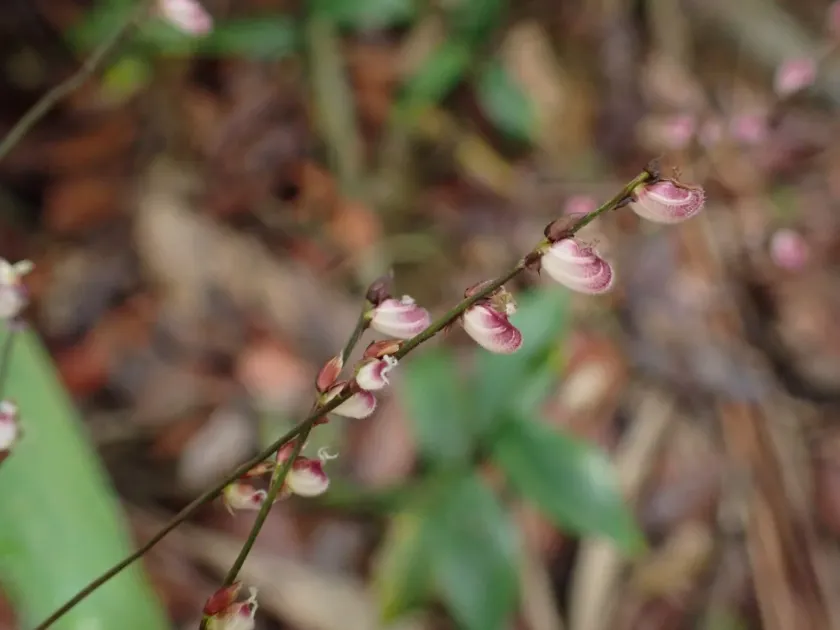
Botanically, the plant is characterized by its broad, vein-rich leaf blades and spikelet inflorescences designed for dispersal via attachment. These traits make it a visually striking specimen, often valued for its atypical morphology within the grass family.
Agrotechnical care focuses primarily on maintaining moisture and providing diffused light. In controlled environments, it is essential to ensure proper air circulation to prevent fungal pathogens from proliferating in the humid conditions required for the plant's healthy development.