
Lepidozia reptans
Lepidozia reptans
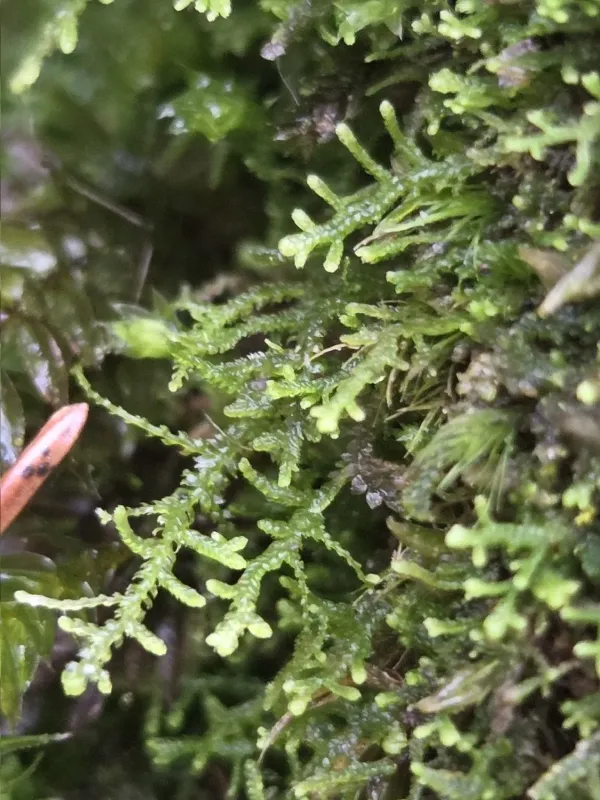
Description
Growing requirements
Lepidozia reptans is a species of liverwort belonging to the family Lepidoziaceae. While it is not considered an agricultural crop, it plays a vital role as a primary producer and moisture regulator within temperate forest ecosystems.
This species is widely distributed across the Northern Hemisphere. It thrives in humid, shaded environments and is commonly found on decaying logs, rotting wood, and moist forest floors, particularly in coniferous or mixed woodland habitats.
Botanically, Lepidozia reptans is characterized by its creeping, pinnately branched habit. It forms dense, mat-like patches that are essential for micro-habitat diversity, providing shelter for various micro-invertebrates in the forest understory.
Its growth requirements are strictly tied to a stable micro-climate. It demands high relative humidity and consistent moisture in its substrate. Direct sunlight is detrimental to the plant, as it causes rapid desiccation and the collapse of the delicate leafy shoots.
In terms of human use, the plant is primarily of interest in bryology and ecological research. It serves as an indicator species, helping scientists assess the long-term ecological health and humidity levels of specific forest patches.
Main diseases and pests
The primary threats to Lepidozia reptans are habitat loss and degradation due to forestry practices. The removal of dead wood and the drainage of wetlands significantly reduce the available surface area for colonization.
Atmospheric pollution poses another major challenge. As a bryophyte, it lacks a protective cuticle, making it highly absorbent of heavy metals and other air pollutants that can lead to local population declines.
Climate change and the resulting shifts in regional rainfall patterns can disrupt the narrow environmental niche this liverwort requires. Increased frequency of drought periods is a significant threat to its survival in previously stable forest areas.
While there are no specific agricultural pests, the species is vulnerable to physical trampling and soil compaction caused by livestock or heavy machinery in forest areas. Such disturbances physically break the mats and disrupt the water-holding capacity of the moss.
Maintaining the integrity of old-growth forest micro-climates is the best approach to preserving this species. Conservation efforts should focus on limiting intensive management in regions where this moss forms extensive carpets.