
Bazzania trilobata
Bazzania trilobata
Description
Growing requirements
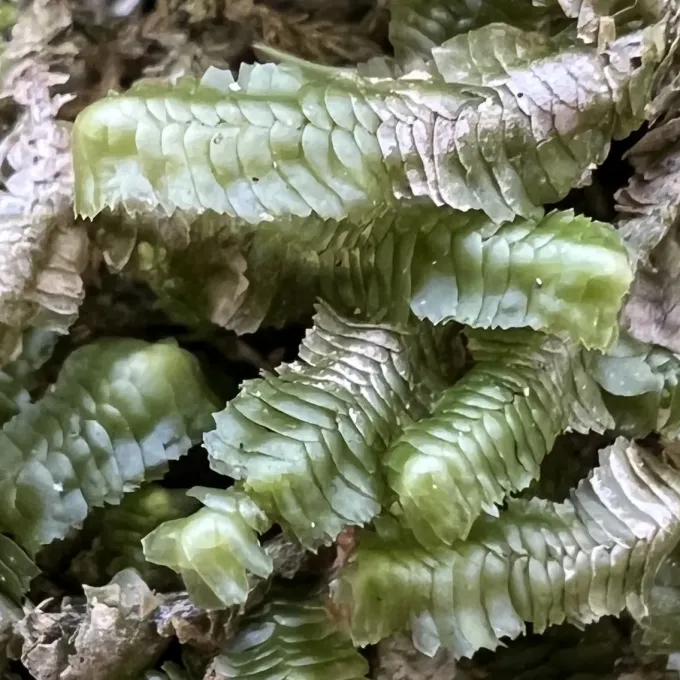
Bazzania trilobata, commonly known as the greater whipwort, is a significant species within the Lepidoziaceae family. It is characterized by its large, robust, and leafy liverwort structure, forming extensive mats on the forest floor.
Native to humid temperate regions, this species is typically found in mature forests. It thrives in deeply shaded environments, relying on high air humidity and moisture-retentive substrates such as decaying logs or acidic woodland soils.
For successful growth, the cultivation environment must replicate these cool, damp conditions. The plant requires a steady supply of moisture and is highly intolerant of dry conditions and prolonged exposure to direct sunlight.
Soil management for this species focuses on maintaining a low pH and high organic matter content. Unlike conventional agricultural crops, Bazzania does not require nutrient-rich fertilizers, as it derives its moisture and nutrients primarily from the atmosphere and forest litter.
Botanically, it is a perennial plant that spreads through vegetative growth. Its distinctively three-lobed leaves allow for efficient water retention, enabling it to survive in environments where water availability might be periodically restricted.
Main diseases and pests
The primary threat to Bazzania trilobata is the loss of habitat due to deforestation and drainage projects. As a moisture-dependent organism, it is highly susceptible to any changes that alter the local hydrological cycle.
Atmospheric pollution poses a severe risk to liverworts. The absence of a protective cuticle makes them sensitive to acid rain and particulate matter, which can cause significant physiological stress and lead to population decline.
Fungal pathogens can occasionally affect the mats, especially in areas where stagnant water or poor air circulation creates conditions conducive to rot and decay of the plant tissue.
Climate change, manifesting as longer and more frequent heatwaves, drastically reduces the viability of established colonies. The inability of the plant to recover quickly from extreme desiccation is a major limiting factor.
Invasive plant species can also outcompete Bazzania for space and light, particularly in disturbed forest areas where the canopy cover has been significantly reduced, altering the light conditions necessary for its survival.