
Lepidium fasciculatum
Lepidium fasciculatum
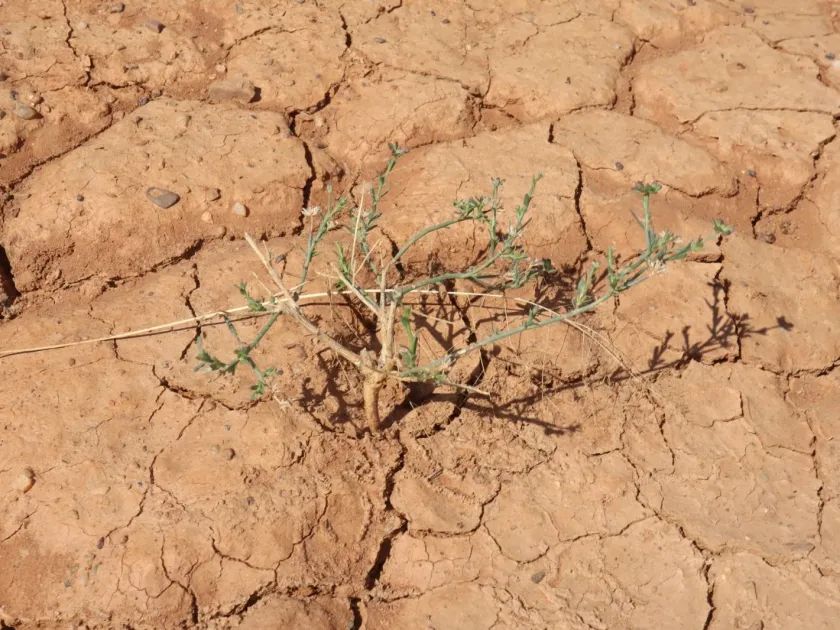
Description
Growing requirements
Lepidium fasciculatum belongs to the Brassicaceae family, a diverse group of plants known for their agricultural and industrial significance. As a crop, it demonstrates remarkable adaptability to various environmental conditions, including moderate drought stress.
The plant exhibits a taproot system, which allows it to access deeper soil moisture. Its botanical structure includes clustered inflorescences and simple leaves, typical of the genus Lepidium. The growth cycle is relatively short, making it suitable for intensive rotation systems.
Climate requirements for this species focus on moderate temperatures and high solar radiation. It thrives in temperate regions where the growing season provides sufficient sunlight for vigorous vegetative development and seed maturation.
Soil preferences lean towards well-drained loams. High soil moisture content or poor drainage can lead to root system decay, which is detrimental to overall yield. Proper field preparation ensures uniform emergence and root establishment.
In terms of agricultural utility, Lepidium fasciculatum is explored for its potential in biomass production and soil improvement properties. Its quick growth cycle allows it to compete effectively with weeds when correctly sown and managed.
Main diseases and pests
The crop is susceptible to a range of pests common to Brassicaceae, including flea beetles and aphids. These insects can cause significant damage to early-stage seedlings, potentially leading to crop failure if not monitored closely.
Fungal pathogens such as powdery mildew represent a constant threat under high humidity conditions. Implementing adequate plant spacing is a primary mechanical method used to reduce the prevalence and spread of these diseases within the field.
Crop rotation serves as a critical defense strategy against soil-borne pathogens. By avoiding continuous planting of the same family members, producers can significantly decrease the disease pressure on their fields.
Integrated pest management (IPM) practices are highly recommended for managing this crop. This involves a combination of scouting, threshold-based treatments, and the encouragement of beneficial insect populations that prey on pests.
Environmental monitoring is essential for timely intervention. Farmers should track precipitation and temperature fluctuations, as these factors directly correlate with the development of typical crop diseases and pest outbreaks.