
Leontice armeniaca
Leontice armeniaca
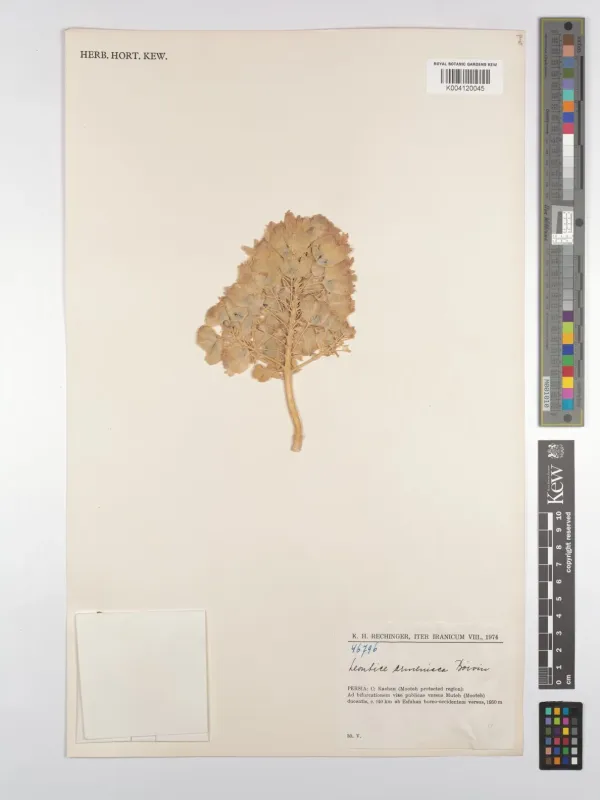
Description
Growing requirements
Leontice armeniaca is a perennial herbaceous plant belonging to the Berberidaceae family. Often referred to in the context of botanical research and potential medicinal use, it is a fascinating species with a specialized life cycle adapted to harsh environments.
The plant is distinguished by a significant underground tuber, which stores water and nutrients, supporting the plant during its active spring growth and dormancy. The foliage is typically glaucous, and the inflorescences consist of small, yellow, distinct flowers.
The native range of this species extends through Armenia, Turkey, and Iran. It naturally occupies habitats characterized by dry, rocky terrain and steppe-like conditions where spring rains provide enough moisture for the brief, intense growth period.
To cultivate this species successfully, growers must prioritize excellent soil drainage. Heavy clay soils are unsuitable unless amended with grit or sand. A sunny, exposed position mimics the plant's natural habitat and prevents the foliage from etiolation.
The primary economic value of Leontice armeniaca lies in its phytochemistry. Researchers study the alkaloids within the tubers for potential pharmaceutical applications, marking it as a plant of interest for specialized medical and botanical garden cultivation.
Main diseases and pests
The most significant threat to Leontice armeniaca is crown and tuber rot, commonly induced by stagnant moisture or poorly drained potting media. Pathogens such as Rhizoctonia or Fusarium can quickly compromise the tuber structure.
In field environments, the plant may be vulnerable to soil-dwelling pests like wireworms or moth larvae, which feed on the tuberous rootstocks. Effective management requires regular site monitoring and the maintenance of optimal aeration levels in the soil.