
Lens lamottei
Lens lamottei
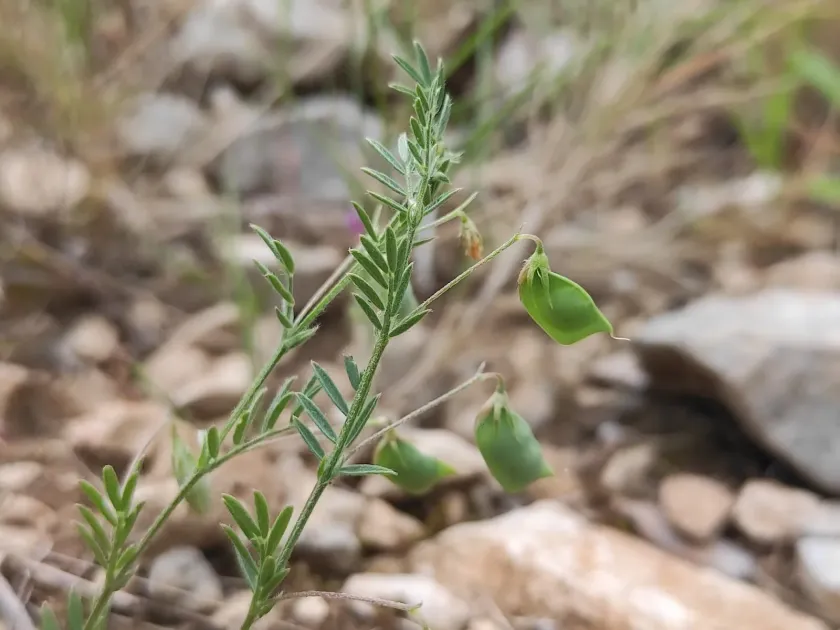
Description
Sowing dates
Lens lamottei is a wild relative of the common lentil, belonging to the Fabaceae family, and serves as an important genetic resource for breeding programs aimed at improving climate resilience.
The optimal sowing time occurs in early spring when the soil temperature consistently reaches 8-10 degrees Celsius, ensuring favorable conditions for seed germination and seedling emergence.
Seeds should be sown at a depth of 3-5 centimeters in well-drained, friable soil to maximize contact with moisture and facilitate rapid root establishment.
Seeding rates typically range from 150 to 250 seeds per square meter, depending on local fertility levels and the physical structure of the seedbed in the specific field.
Crop rotation is vital for maintaining soil health, and Lens lamottei should ideally be planted in a sequence that avoids other pulses for at least four years to mitigate soil-borne diseases.
Growing requirements
This crop is highly sensitive to shading, requiring full sun exposure for optimal growth, and performs best in open fields with minimal competition from weeds or adjacent tall crops.
Soil requirements focus on well-aerated, sandy loam or loamy soils that prevent waterlogging, as the root system is sensitive to low oxygen levels and excessive moisture.
Soil pH should be neutral, as acidic conditions can inhibit the symbiotic nitrogen-fixing bacteria that are essential for the natural fertilization of the legume plant.
While the plant displays moderate drought tolerance, adequate moisture is critical during the flowering and pod-filling stages to ensure high grain yields and uniform ripening.
Providing balanced mineral nutrition, particularly phosphorus and potassium, helps the plant build robust structures and increases its tolerance to abiotic stressors like heat.
Main diseases and pests
Common diseases affecting this species include ascochyta blight and fusarium wilt, which thrive under conditions of high humidity, frequent rainfall, or poor drainage systems.
Pests such as the lentil seed beetle (Bruchus lentis) pose a major risk to yield, damaging pods and seeds, which requires diligent monitoring and timely intervention.
Weed control is essential during the early developmental phases when the crop has a low competitive ability, necessitating effective herbicide use or mechanical cultivation.
An integrated pest management strategy, including seed treatment with fungicides, is highly recommended to protect the crop from early-stage infections and potential yield losses.
Field scouting for early symptoms of fungal growth or pest infestation is crucial for implementing targeted control measures rather than broad-spectrum chemical applications.
Harvesting
Harvesting should occur when pods reach full maturity and turn brown, indicating that seed moisture content has dropped to approximately 14-16 percent for safe storage.
Timely harvest is necessary to prevent significant losses, as pods may crack and shatter if left in the field for too long after achieving their maximum maturity stage.
Modern harvesting equipment must be carefully adjusted to minimize seed breakage while ensuring that even the lowest pods on the plant are captured during the process.
Under less than ideal weather conditions, chemical desiccation might be utilized to ensure uniform maturation and to facilitate a more efficient harvest schedule for the grower.
Post-harvest handling requires immediate cleaning to remove debris and proper drying to prevent mold growth, ensuring the quality and viability of the harvested seeds.