
Leiothrix flavescens
Leiothrix flavescens
Description
Sowing dates
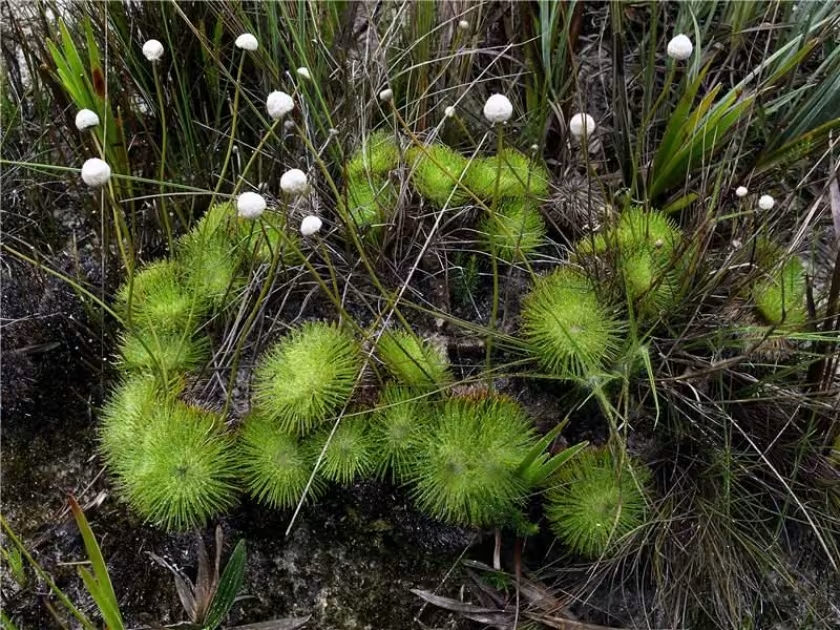
Leiothrix flavescens is a perennial herb belonging to the Eriocaulaceae family. Native to the tropical regions of South America, this plant is valued for its unique inflorescences and structural elegance.
Propagation is typically done via seeds, which require specific temperature conditions, ideally between 22 and 26 degrees Celsius. Sowing should take place in a sterilized, acidic substrate that ensures excellent drainage.
The seeds are light-dependent for germination, so they should not be buried deep. Instead, they should be lightly pressed onto the surface of the soil and kept in a high-humidity environment.
The use of transparent covers is recommended to maintain constant humidity levels during the germination period, which can take several weeks depending on environmental stability.
Once the seedlings develop their first true leaves, they are extremely delicate. Careful handling and gradual acclimatization to lower humidity levels are crucial for the long-term success of the young plants.
Growing requirements
This species thrives in acidic, well-draining soils rich in organic matter. In its natural habitat, it is often found in wetlands and marshy areas, reflecting its high moisture requirements.
Full sun or bright, indirect light is essential for maintaining the compact growth habit and vibrant color of the inflorescences. Shaded areas often lead to leggy, weak plants that fail to flower.
Water quality is a major factor in the health of Leiothrix flavescens. It is highly sensitive to mineral buildup, so using distilled or rainwater is highly recommended for irrigation.
Consistent moisture is key, but the substrate must allow for oxygen exchange to prevent root suffocation. Avoid using heavy, clay-based soils that retain too much water without aeration.
Temperature management should be stable. The plant is sensitive to thermal shock, so it should be protected from cold drafts and sudden temperature fluctuations throughout the growing season.
Main diseases and pests
Root rot is the most common threat, usually caused by overwatering or poor drainage systems. Maintaining an airy, porous growing medium is the primary defense against this pathogen.
Pests such as spider mites can infest the plant, especially if ambient humidity is allowed to drop too low. Regular monitoring and misting can help deter these unwanted visitors.
Fungal leaf spots can occur when air circulation is poor or if the foliage remains wet for extended periods. Pruning for better spacing and providing adequate ventilation are effective preventative measures.
Nutrient deficiency, particularly regarding micronutrients, can lead to stunted growth. Using specialized, low-concentration fertilizers for acid-loving plants can help prevent chlorosis.
Finally, avoid excessive handling of the root system during repotting, as physical damage can open pathways for secondary bacterial infections that significantly reduce plant vigor.